Photochromic Cycling Glasses 2026: Better Than Swapping Lenses?
Contents5 min read
Cycling Glasses for Variable Light 2026: Does Automatic Beat Interchangeable?
The Tour de France peloton disappears into a tunnel and emerges into blinding Pyrenean sun. Your Dutch cycling camp in the Alps hits the same problem at 6:30am: fog on the descent, harsh light on the exposed col, a dark gorge road somewhere in between. Choosing the right lens for cycling glasses in variable light is not an abstract question. It decides whether you arrive safely or squinting, confident or constantly fighting your own eyewear. In 2026, two systems compete for that job: photochromic lenses that adapt automatically, and interchangeable lens systems where you choose and swap. This post compares both systems honestly.
The Real Problem: Light Changes Faster Than You Do
Cyclists in the Netherlands know this better than anyone. You leave Arnhem at 7am under flat grey cloud. By the time you hit the Veluwe you are riding into direct low sun. An hour later it is overcast again. In the Alps or Pyrenees the swings are even more violent: cold shadow in a valley, then full UV exposure above the treeline within ten minutes of climbing. No single fixed-tint lens handles both ends of that range well. A dark lens in a tunnel is a safety problem. A clear lens on a high col means eye fatigue, UV damage, and by the third hour, a headache that costs you watts.
Photochromic lenses were designed exactly for this. They darken in UV light and clear when UV drops. In theory, one lens does everything. In practice, the transition speed and the tint range vary significantly between products. Most photochromic lenses operate between a light transmission of roughly 15% at maximum tint and 75% when clear. The problem: temperature slows the reaction. Cold mountain air at altitude means your lens may stay darker for longer than you want. And many photochromic lenses never reach full optical clarity indoors or in very low light. For tunnel riding, that is not a minor inconvenience. It is a genuine hazard.
The other limitation is chemical: photochromic coatings degrade over time. After two or three seasons of regular UV exposure, the transition range narrows. You are not replacing a lens. You are replacing the whole frame, or paying for a re-coating service most brands do not offer. The cost-per-year calculation changes when you factor that in.
What to Actually Look For: A Practical Checklist
Before buying any cycling glasses for variable light conditions, work through these criteria:
- Transition speed. How fast does the lens change? For road cycling, anything over 30 seconds in either direction creates a mismatch window. Real-world performance varies by season, temperature, and lighting conditions.
- Tint range. Does it go dark enough for Alpine sun? Does it clear enough for pre-dawn starts or tunnel sections? The full range matters more than the midpoint.
- Weight. Photochromic coatings add grams. A frame already at 28-30g with a standard lens will push toward 33-36g photochromic. Over four hours, that is a pressure point on your nose you will notice.
- Anti-fog system. On climbs, your body heat rises while air temperature drops. Without a functioning anti-fog system, lens clarity is irrelevant. Check whether anti-fog is built into the frame design or just a coating on the lens surface.
- UV400 certification. Non-negotiable. UV400 means 100% UVA and UVB blocked. Do not accept vague claims about "UV protection" without the 400nm certification.
- Repairability. If the lens degrades or cracks, can you replace just the lens? Or do you replace the whole unit?
- Trial policy. Any brand confident in their product for real riding offers a trial period. If they do not, ask why.
Why Velluto Takes a Different Approach
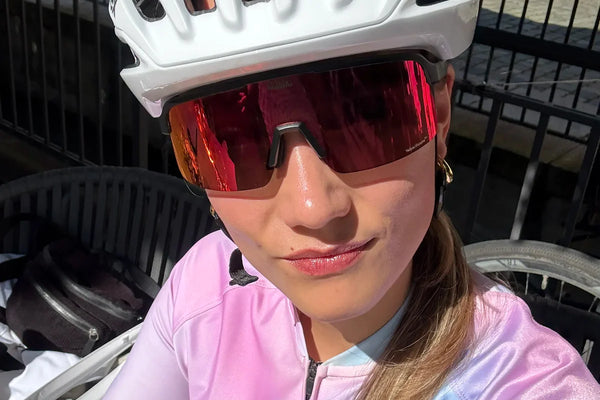
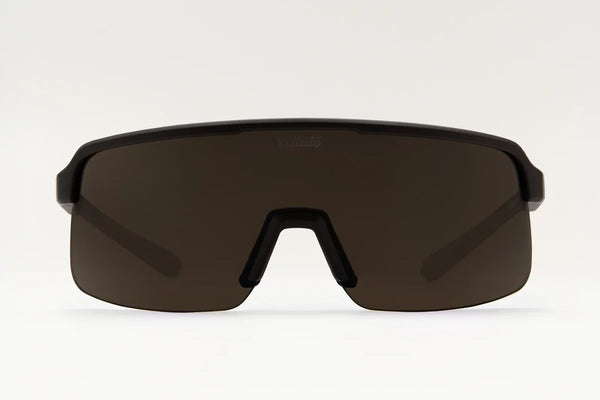
Velluto does not offer a photochromic lens. That is a deliberate choice, not a gap. The StradaPro was built around a click-in interchangeable lens system because the engineers behind it reached the same conclusion the data suggests: no single automatic lens performs optimally across the full range of conditions a road cyclist actually encounters. Instead of asking one lens to compromise, the StradaPro gives you two lenses engineered for distinct jobs, swappable in seconds without tools.
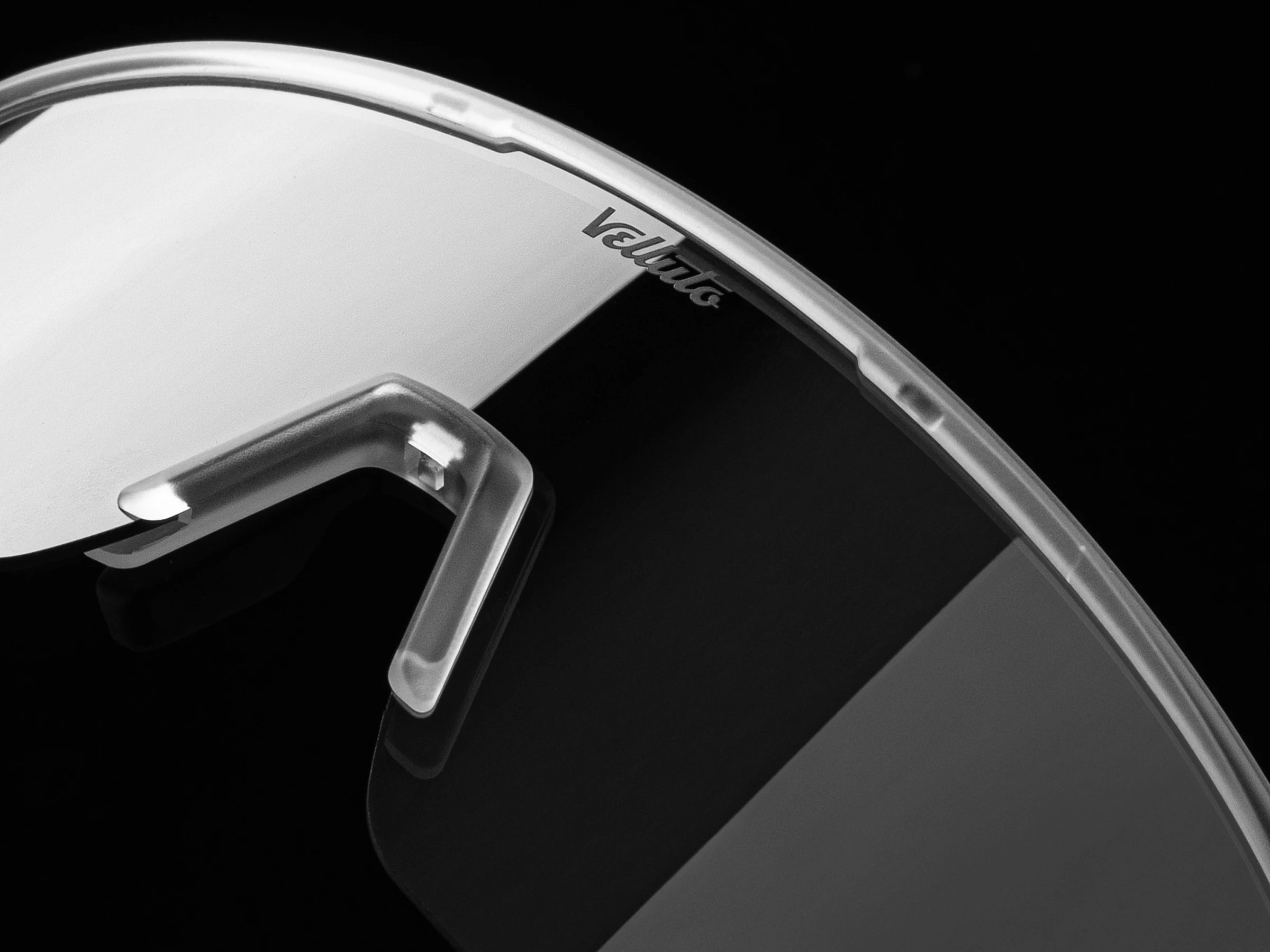
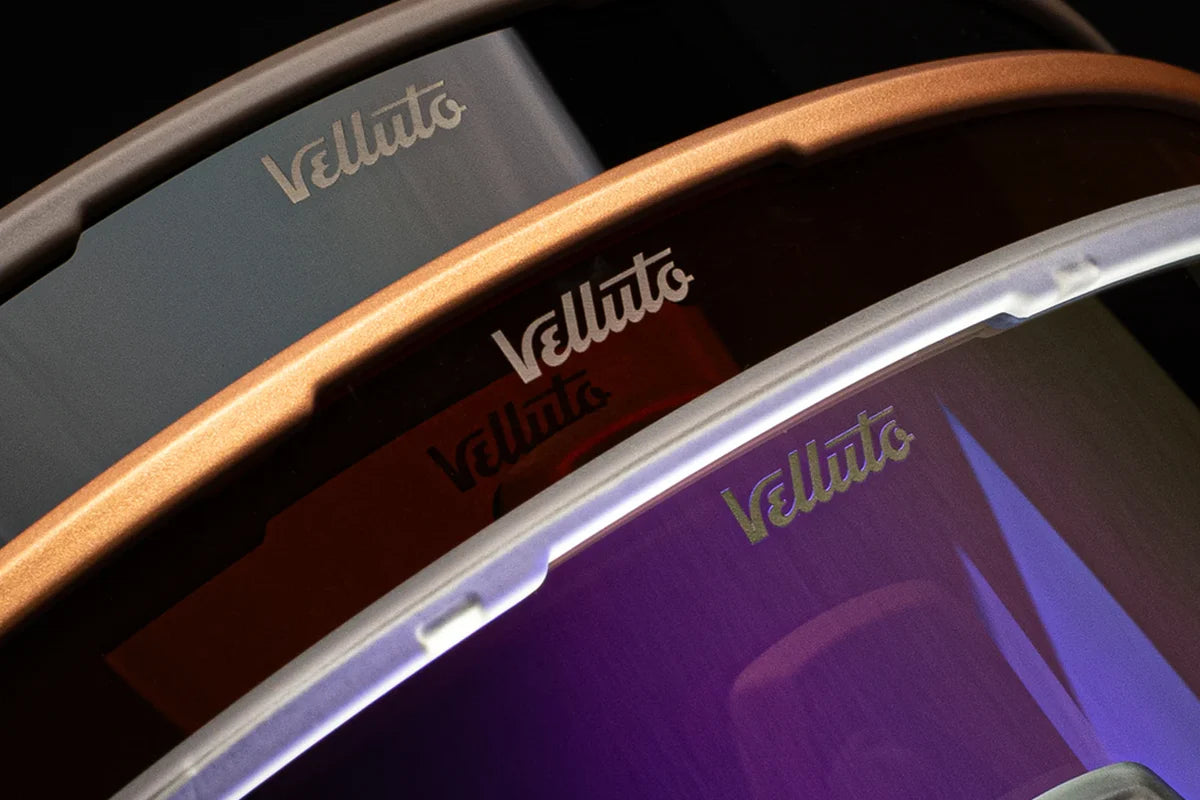
The VellutoPuro is a UV400-certified clear lens, optimised for low light and overhead protection against wind and insects on fast descents. The VellutoVisione uses proprietary high-contrast technology that sharpens definition on overcast days, makes road surface texture readable, and reduces eye strain on flat grey rides exactly like those Dutch morning starts. Together, they cover the full range a photochromic lens approximates. The click-in swap takes less time than pulling over to check your phone. You choose the right lens for the next hour of riding, not the average of all conditions.
The frame weighs 25 grams. The anti-fog system is built into the frame architecture, not applied as a surface coating that wears off. Adjustable nose pads distribute the weight across your face without pressure points, which matters on a five-hour ride in the Pyrenees more than it does on a twenty-minute test ride outside a shop. The StradaPro comes with a 30-day risk-free trial: ride it in your actual conditions before you commit. That is the confidence a product earns through real performance, not marketing.
 Velluto Starter Vision Kit | Nero
StradaPro frame + VellutoPuro + VellutoVisione lenses. 25g. 30-day trial. Test it on a real ride
Frequently Asked Questions
Are photochromic cycling lenses worth it in 2026?
Photochromic lenses offer the convenience of a single lens that adapts automatically, ideal for riders who prefer minimal lens management. Interchangeable lens systems like the StradaPro let you match the lens precisely to current conditions and avoid the tint-range compromises and coating degradation that occur over multiple seasons, at documented long-term cost.
How fast can you swap lenses on the StradaPro?
The click-in system takes a few seconds. There are no tools, no screws, no alignment process. The lens clicks securely into the frame and the fit is airtight. Most riders swap at a natural stop, a feed zone, or the start of a major climb, rather than mid-ride.
Does the anti-fog system work on hard climbs?
Yes. The anti-fog system on the StradaPro is integrated into the frame design, not a surface coating. It manages airflow around the lens to prevent condensation buildup during high-effort climbing where the temperature differential between your face and the air is greatest. It performs in variable weather, not just controlled conditions.
Ready to test it yourself? The StradaPro comes with a 30-day risk-free trial. Ride it in the rain, on a climb, in a tunnel. If it does not perform, send it back. Visit velluto-shop.com to start your trial.