Cycling Glasses Lens Replacement 2026: Costs & Best Options
Contents6 min read
Cycling Glasses Lens Replacement in 2026: Repair, Costs and the Smartest Upgrade
Last updated: 25 June 2026
It always happens at the worst moment. You are back from a Tour de Suisse-inspired alpine climb, you set your glasses down on the bar top, and a scratched or cracked lens stares back at you. Or you pushed hard through a gravel sector last weekend, a stone kicked up, and now there is a hairline fracture right through your field of vision. Cycling glasses lens replacement is one of the most searched-for topics in June every year, and for good reason: race season is peaking, the roads are busy, and riding without proper eye protection is not an option. This guide covers exactly what replacement costs in 2026, when repair actually makes sense, and what to look for so the same thing does not happen again in twelve months.
Why a Damaged Lens Is More Serious Than It Looks
A scratch across the centre of your lens is not just cosmetic. At 40 km/h, your eyes are processing road surface, traffic, and terrain simultaneously. Any distortion in the optical path increases fatigue and slows your reaction time. A cracked lens is a more immediate safety concern: structural failure means the lens can splinter on impact, turning a protection device into a hazard. UV400 certification, which blocks 100% of UVA and UVB radiation, is also compromised the moment the lens coating is damaged. You may not feel it, but your eyes are absorbing more radiation on every sunny ride.
The anti-fog coating on a lens can be affected by age and damage. The coating that prevents condensation during hard climbs or cold descents is surface-level. Once that surface is scratched or chemically compromised by improper cleaning, fogging becomes unpredictable. On a wet Critérium du Dauphiné-style mountain stage, or even a humid summer morning on your local gravel loop, that unpredictability matters. A fog-up at the wrong moment on a technical descent is not a minor inconvenience.
The practical conclusion: a lens that is scratched across your sightline, cracked anywhere, or visibly fogging in conditions where it previously did not, needs replacing. Polishing compounds and DIY fixes have their place for very minor surface marks on the periphery, but they do not restore UV coatings or structural integrity. Replacement is the correct call.
What Lens Replacement Actually Costs in 2026: A Realistic Comparison
The repair market for cycling glasses in Germany in 2026 looks roughly like this. For premium single-brand frames like Oakley, a replacement lens for the Sutro Lite or Jawbreaker typically runs between €60 and €100 per lens, ordered through authorised opticians or the Oakley webshop, with a lead time of one to three weeks. POC Devour replacement lenses sit in a similar bracket. Tifosi offers replacement lenses at various price points, with availability and shipping times varying by retailer and region.
The hidden cost is always downtime. If you ride five times a week from June through August, two weeks without functioning glasses is ten to fourteen rides compromised. That is before you factor in that many proprietary lens systems require specific tools or a trip to a specialist to change correctly.
The smarter question is not "how much does a replacement lens cost?" but "how fast can I be back riding, and how much control do I want over my lens system going forward?"
What to Look for When Choosing Your Next Cycling Glasses
Use this checklist before you spend a cent on a replacement lens or a new frame:
- Tool-free lens swap: If changing a lens requires a tool, a visit to a shop, or a YouTube tutorial, that system will cost you riding days every time something goes wrong. A click-in system you can operate with your thumbs in two minutes is the correct standard in 2026.
- UV400 certification: Non-negotiable. Every lens you ride behind should block 100% of UVA and UVB. Do not accept "UV protection" as a claim without the UV400 certification attached.
- Anti-fog performance: Especially relevant for riders in regions with humid conditions from April through October. Test any glasses on a real climb before committing, not just on a flat road.
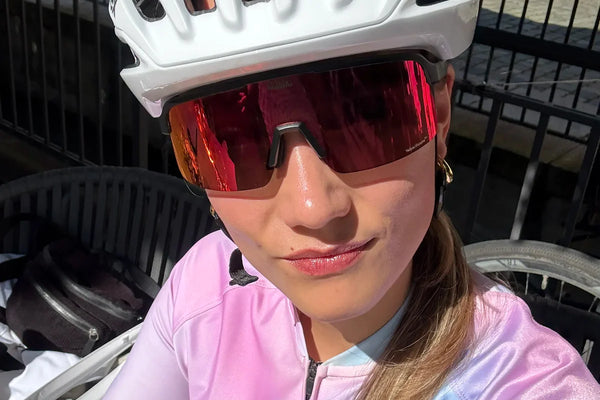
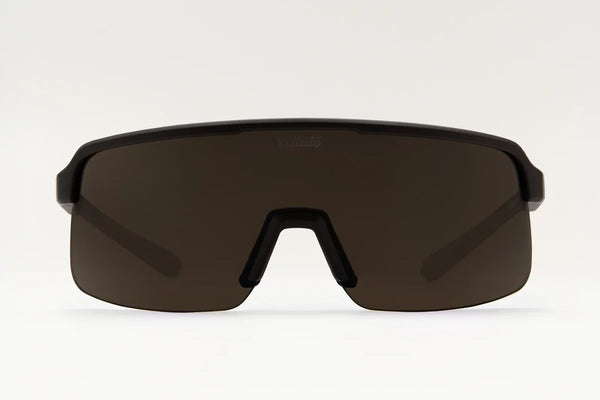
- Frame weight: Lighter frames move less on your face. At 25 grams, the Velluto StradaPro is engineered to stay in position without excessive nose-pad pressure, which matters over four-hour rides. The lightweight construction is a key advantage for riders seeking minimal movement and fatigue reduction on long distances.
- Lens versatility: A single fixed tint locks you into one light condition. Two interchangeable lenses, one clear and one high-contrast, give you full-year coverage without buying a second pair.
- Trial policy: Any brand confident in their product should let you test it on real rides. Thirty days is the minimum credible window.
Why the Velluto StradaPro Makes Lens Replacement Almost a Non-Issue
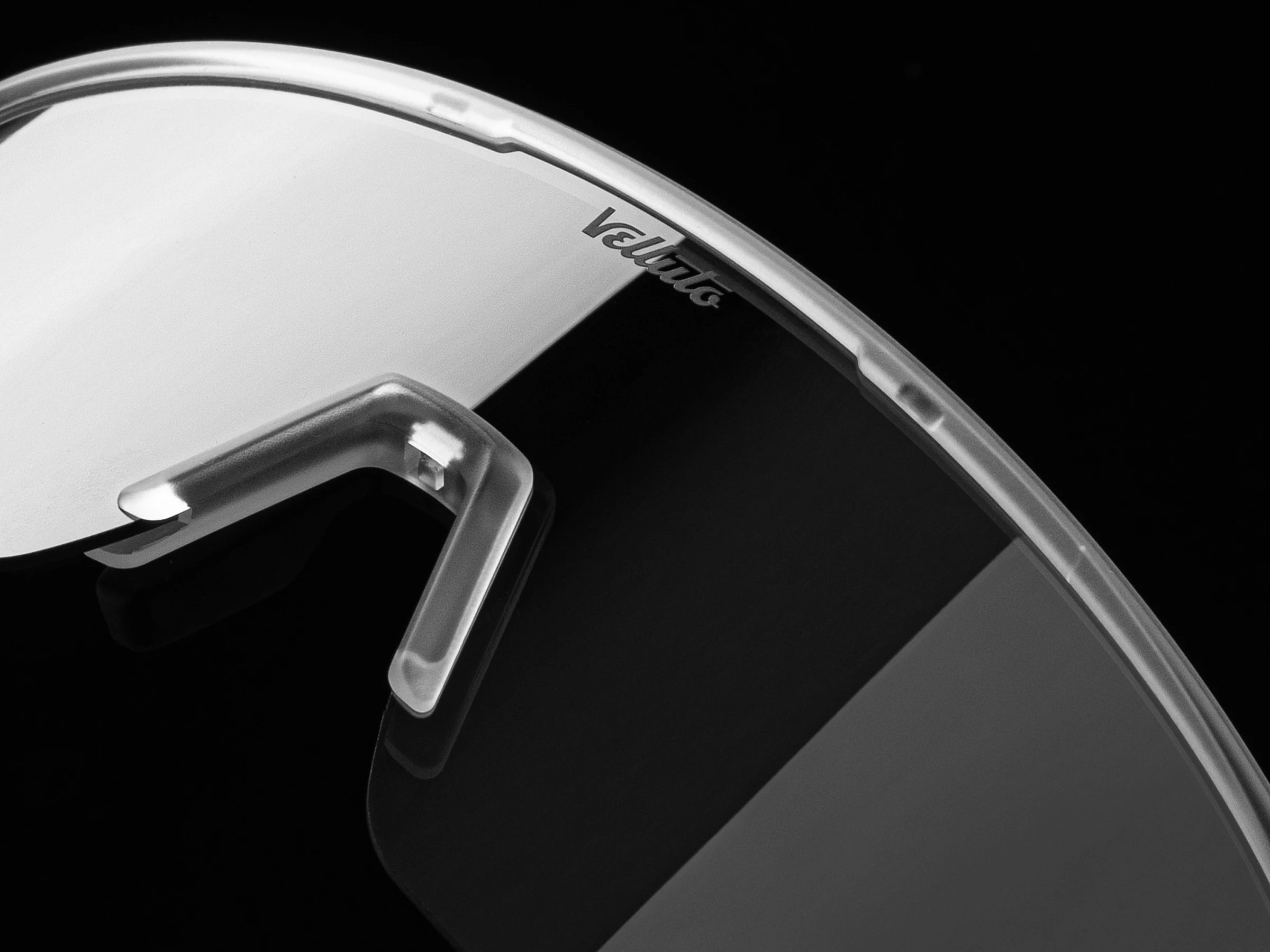
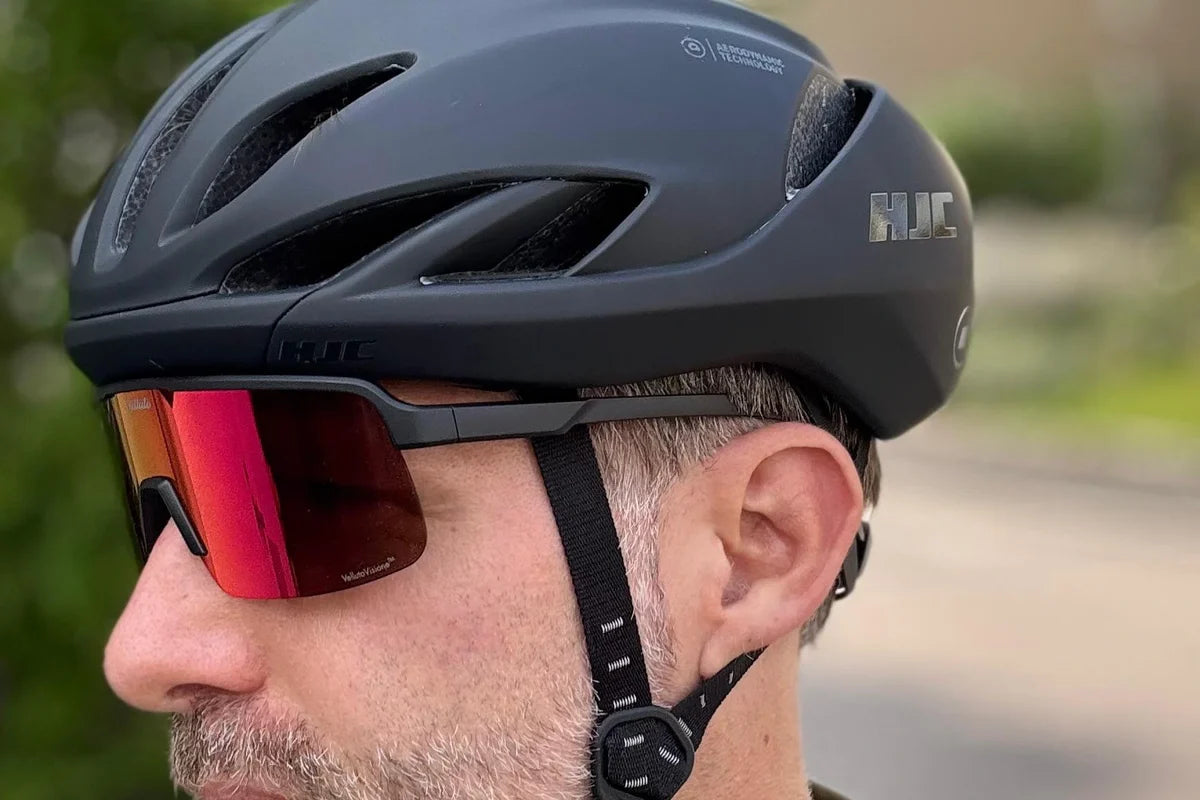
The StradaPro was designed specifically for the situation you are in right now. Its click-in lens system is tool-free: swap from the VellutoPuro transparent lens to the VellutoVisione high-contrast lens in seconds, with no tools, no skill, no shop visit. If you ever do need to replace a lens, you are not phoning a distributor and waiting three weeks. You order, it arrives, you click it in before your next ride.
The frame itself weighs 25 grams, placing it among the lightest options available for cycling eyewear. Both available lenses carry UV400 certification and built-in anti-fog technology, which means the performance you need on a cold alpine descent or a humid summer morning is built into the system.
The adjustable nose pads eliminate the pressure and slipping that cause most riders to unconsciously touch their glasses during rides, which is often how lenses get scratched in the first place. Fewer adjustments, fewer fingerprints, fewer scratches.
If you are unsure whether the StradaPro fits your face and your riding, Velluto offers a 30-day risk-free trial so you can test it on real rides before committing to the purchase.
 Velluto Starter Vision Kit | Nero
25g frame. Two lenses. Click-in system. 30-day trial. See the StradaPro
While you are at it: if your lenses are scratched from improper cleaning, the right cloth and spray make a measurable difference. Velluto's cleaning spray is 50ml, apple-scented, and refillable. The microfiber cloth that should be in every jersey pocket is 25x25cm, 80% polyester and 20% polyamide. Use these instead of jersey fabric and you add months to any lens.
 Velluto Cleaning Spray
Frequently Asked Questions
How much does cycling glasses lens replacement cost in 2026?
For premium brands, replacement lens costs vary widely depending on the brand and retailer, with both lead times and availability factors to consider. A click-in interchangeable system like the Velluto StradaPro is designed to eliminate this friction entirely.
Are 25g cycling glasses worth it for road riding?
Yes, and the weight difference is noticeable over long rides. A lightweight frame like the Velluto StradaPro at 25g is designed to stay in position without excessive pressure on the nose, which means fewer mid-ride adjustments and fewer fingerprints on lenses.
Do interchangeable lenses fog up more than fixed lenses?
The VellutoPuro and VellutoVisione lenses both carry built-in anti-fog technology, which means performance is consistent across temperature changes, hard climbs, and variable weather.
Ready to stop worrying about lens replacement costs? Visit velluto-shop.com and explore the full StradaPro range, in four colours, with a 30-day risk-free trial on every order.