Cycling Glasses Fit Without Pressure Points | Velluto
Contents6 min read
Cycling Glasses Fit Without Pressure Points: How to Choose the Right Size for Long Rides
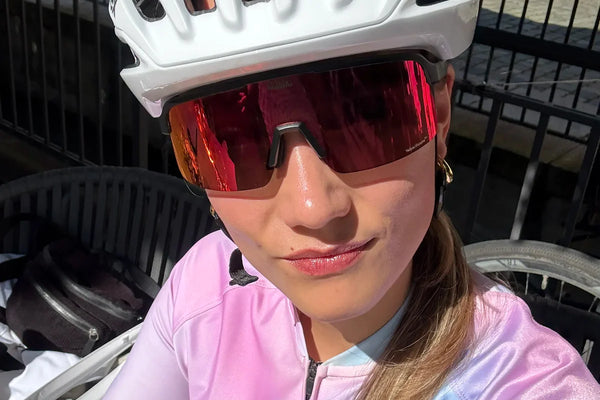
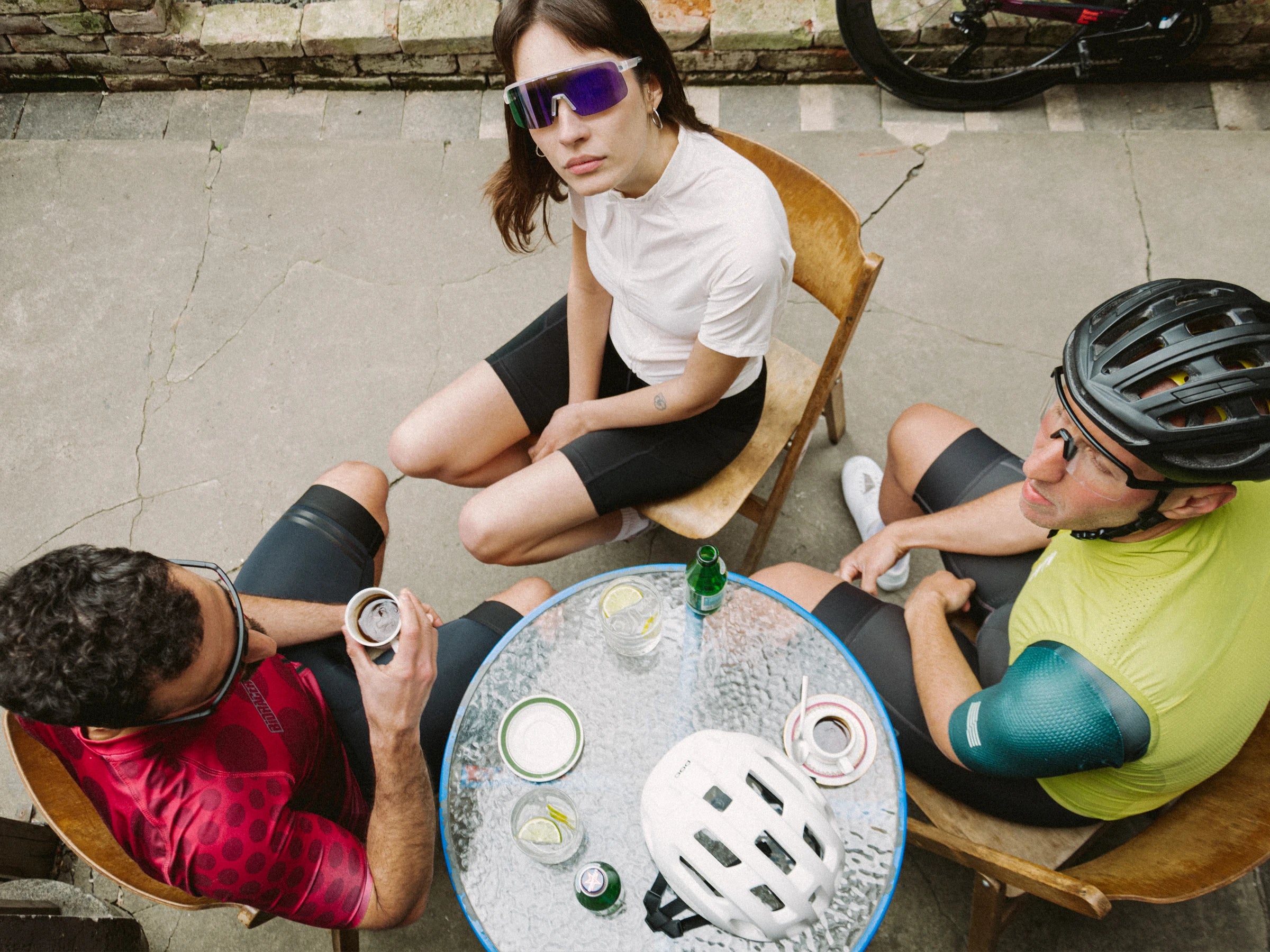
Watch any peloton from the roadside at the Tour de Suisse or Critérium du Dauphiné and you will notice one thing every rider shares: glasses that look like they belong on the face. No sliding. No squinting. No mid-climb adjustment. On a summer gravel ride or a six-hour road stage, the difference between glasses that truly fit and glasses that merely sit on your face becomes brutally obvious. Achieving a cycling glasses fit without pressure points is not luck — it is design, and it is worth understanding before you spend a euro.
Why Poor Fit Ruins More Rides Than Bad Weather
Most cyclists blame fogging, scratched lenses or harsh sunlight when their glasses fail them. The real culprit is usually fit. A frame that sits too tight at the temples creates a slow-burning pressure point that builds over two hours into genuine pain. A frame that sits too loose slides down the nose the moment you drop into the drops — forcing you to tilt your head upward and lose sight of the road ahead. Neither scenario is acceptable on a technical descent in the Alps or on a gravel track with loose stones demanding full attention.
The nose is where most of this plays out. Generic, fixed nose pads are engineered for an average face that does not actually exist. High nose bridges, low nose bridges, narrower faces, broader temples — the variance between riders is enormous. A fixed pad that works for one rider creates a pressure ridge on another. On rides over three hours, that ridge stops feeling like an inconvenience and starts feeling like a bruise.
Weight compounds every fit problem. A 35-gram frame transfers more load to the nose pad and temples than a 25-gram frame. At rest, a 10-gram difference feels trivial. After four hours at 28 km/h, it does not. The lightest professional cycling glasses are not light for aesthetics — they are light because weight is discomfort delayed.
What to Look for: A Practical Fit Checklist
Before buying, run through these five criteria. If a pair of cycling glasses fails more than two, keep looking.
- Adjustable nose pads. This is non-negotiable. Adjustable pads let you set the frame height relative to your eye line, redistribute bridge pressure across a wider surface, and prevent the downward slide that plagues fixed-pad frames. Look for soft silicone pads — rigid plastic transfers pressure rather than distributing it.
- Frame weight under 30 grams. Anything heavier will make itself felt before the halfway point of a long ride. The benchmark for genuinely lightweight road cycling glasses is around 25 grams. Numbers matter here: "ultra-light" is marketing; 25g is a fact.
- Ventilation design. Frames that sit flush to the face trap warm air from your breath and build sweat beneath the lenses. A frame with considered ventilation channels — and a proper anti-fog lens system — manages airflow rather than blocking it. This becomes critical on climbs where your speed drops and your breathing rate rises.
- Temple arm flex and length. Arms that are too stiff dig into the skull above the ear. Arms that are too short do not reach, leaving the frame under-anchored and prone to movement. Flex at the hinge distributes grip across a wider area and tolerates the movement of an aggressive ride position.
- Lens coverage relative to your eye socket. Larger lenses protect more of the eye area from wind, insects and road debris — but a lens that curves too aggressively past your peripheral vision will distort the road surface. Road-specific lens geometry balances coverage with optical clarity at speed.
One practical test: put the glasses on and shake your head sharply from side to side. If the frame moves more than a millimetre, the nose pad fit is wrong. Then hold your head level and look down at the floor. If the glasses slide, the temple arms are too loose or too short. Both tests take ten seconds and save hours of frustration later.
Why the Velluto StradaPro Solves This Correctly
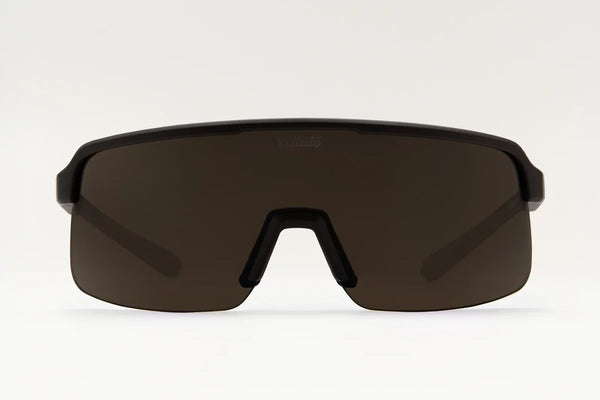
The StradaPro weighs 25 grams. That single number removes the weight-induced pressure that accumulates on fixed-pad, heavier frames before the halfway point of a long ride. It is not a rounding estimate — it is a verified specification, and it matters on hour three and hour five in ways that hour one never reveals.
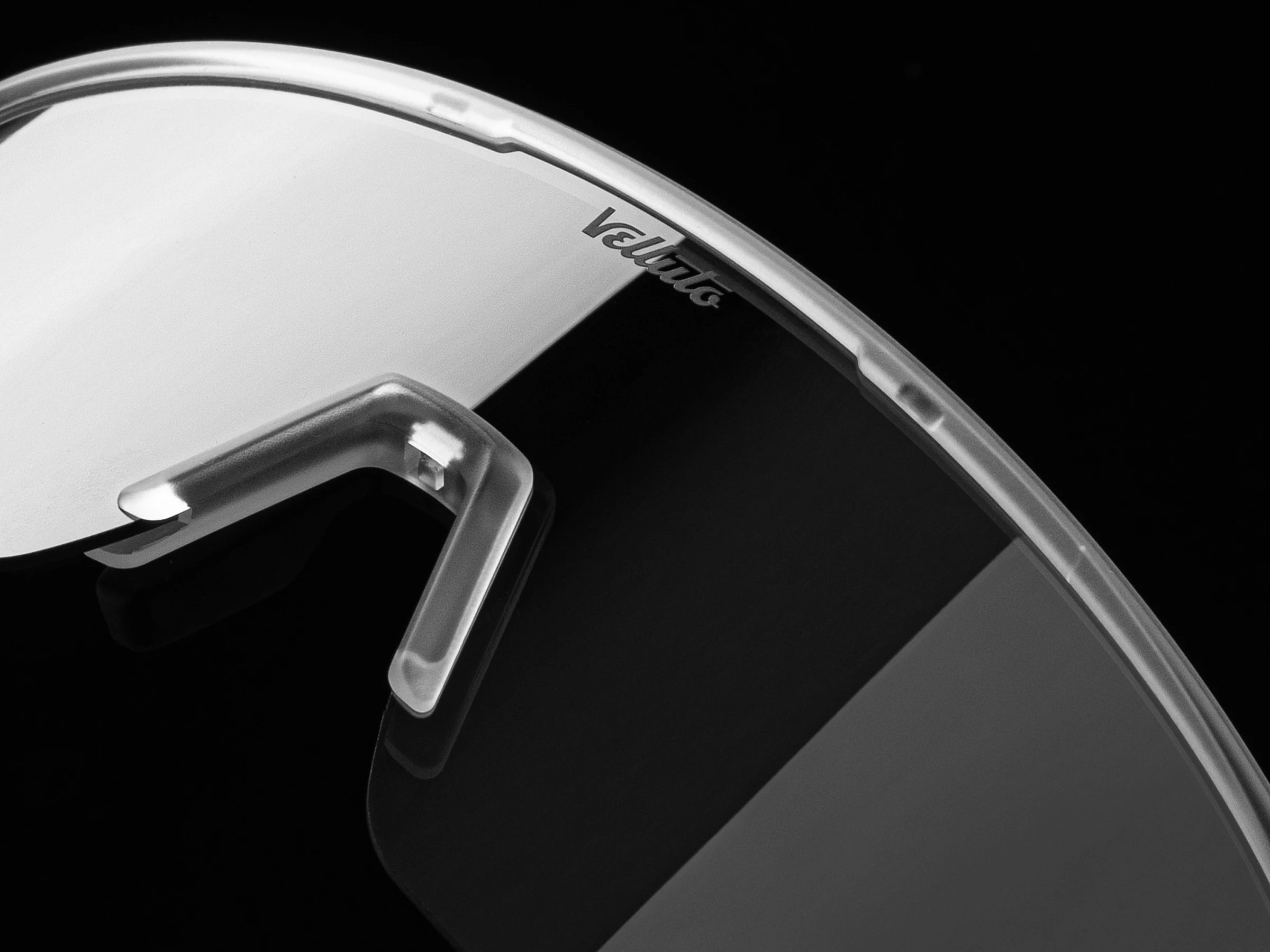
The adjustable nose pads are silicone and designed specifically for the variable geometry of road cyclists' faces. They let you dial in the bridge position before the ride starts, which means the frame sits where you set it and stays there. Zero pressure buildup. Zero mid-ride repositioning. The fit holds regardless of whether you are riding in a relaxed endurance position or flat in the drops at 50 km/h on a descent.
The built-in anti-fog system keeps vision clear on the climbs that define summer road racing — where speed drops, humidity rises and cheaper glasses cloud over completely. The click-in lens system means you can swap between the VellutoPuro clear lens for low-light morning starts or overcast gravel stages, and the VellutoVisione high-contrast lens for sharp definition in bright afternoon sun — without tools, without frustration, in seconds at the roadside.
All of this is backed by a 30-day risk-free trial. Test the fit on your actual roads, your actual rides, in your actual conditions. If the StradaPro does not hold the fit you need, return it. That is the only honest way to sell cycling glasses.
 Velluto Starter Vision Kit | Nero
Frequently Asked Questions
How do I know if cycling glasses fit correctly without trying them in person?
The three indicators of correct fit are: the nose pads sit flush without digging in at either side, the lens sits roughly 10 to 15mm from your eyelashes without touching them, and the temple arms reach past the ear without tension. If a brand offers a trial period — Velluto's 30-day trial, for example — use it on a real two-hour ride. Your face will tell you everything within the first 45 minutes.
Do heavier cycling glasses really cause pressure points, or is it just marketing?
The physics are straightforward. A 35-gram frame exerts more constant downward force on the nose bridge than a 25-gram frame. Over a four-hour ride, that difference accumulates. Adjustable nose pads reduce the concentration of that force by spreading it across a wider surface area. The combination of low weight and adjustable pads is what eliminates pressure points — not either factor alone.
Does an anti-fog system affect the fit or comfort of the glasses?
A built-in anti-fog system works through the lens surface treatment and frame ventilation geometry — it does not change the physical fit of the frame on your face. The practical effect on comfort is positive: when your lenses stay clear on a steep climb, you are not pulling the glasses down your nose to see through a fogged lens, which means the fit you set at the start of the ride is the fit you maintain throughout.
Ready to ride without pressure points? Start your 30-day trial at velluto-shop.com.