Utbytbara Linsers Cykelglasögon 2026: Bästa System

Contents7 min read
Interchangeable Lens Cycling Glasses 2026: Best Systems
Senast uppdaterad: 15 juni 2026
Etapp 12 i Tour de Suisse. Sex på morgonen, tät bergsdimma ligger tung under 900 meter, full alpin sol slår ner på Col du Gothard två timmar senare. De tävlande som lider mest är inte de med dåliga ben. De är de som blundar genom ett linsystem byggt för ett väderslag och cyklar genom fyra. Samma problem uppstod vid Critérium du Dauphiné för tre veckor sedan, och det kommer att uppstå på varje sommar gruskörning du åker mellan nu och september. Om du är på allvar och letar efter utbytbara linser för cykelglasögon 2026, så är det problemet du faktiskt löser. Inte stil, inte marginella gram, utan möjligheten att se klart under hela en lång körning utan att stanna för att gräva igenom ett tresorgsväsketficka.
Den här guiden täcker vad de bästa systemen faktiskt levererar, vad du ska ignorera, och varför linsmekanismen själv är viktigare än märkesnamnet på bågen.
Det riktiga problemet: Ljusförändringarna är snabbare än du tror
De flesta cyklister underskattar hur mycket det omgivande ljuset skiftar under en fyratimmerskörning. En juniets sportive i Alperna eller Ardennerna kan ta dig genom tät trädskugga, öppen högslätt, nedförsbacke i skugga och reflekterande asfalt på bara en timme. En fast kategori 3-lins som fungerar perfekt klockan 10 lämnar dig halvblind på en 60 km/h utförsbacke ner i skugga vid middag. En lins optimerad för molnig väderlek förvandlar ljus grus till ett blekt vitt ark när molnen lyfts.
Industrins svar har varit att driva fotokromatiska linsern, som själv färgas när de exponeras för UV-ljus. De är en rimlig kompromiss för cyklister som vägrar bära en reservlins. Men fotokromatiska linsern har ett tak: de övergår långsamt, typiskt 20 till 60 sekunder, de mörknar inte inuti fordonsskugga eller tunnlar, och deras färgintervall är fast. Du kan inte driva dem mörkare för höghöjdsglans eller dra dem klarare för en pre-gryninng-start. Du cyklar fortfarande en kompromiss, bara en automatiserad sådan.
Svaret som allvarliga vägarycklister fortsätter att komma fram till är ett ordentligt utbytbart system: två eller tre linsern optimerad för specifika förhållanden, en båge som byter dem på under tio sekunder, och disciplinen att göra bytet vid rätt tidpunkt. Frågan är vilket av dessa system som faktiskt levererar i praktiken, och vilka som är knepiga, långsamma eller strukturellt svaga vid linsintegreringen.
Vad man ska leta efter i ett utbytbart linssystem: En praktisk checklista
Innan du spenderar pengar, testa alla kandidater genom dessa kriterier:
- Bytstid utan verktyg. Om du behöver en tygklädd finger, en dragning som belastas bågen, eller mer än 15 sekunder, kommer systemet inte att användas under körning. Verktygsfreea klick-in-mekanismer som släpper rentvid tumtryck är jämförelsevärdet.
- Bågens vikt. Varje gram på ditt ansikte översätts till tryck på näsan över fem timmar. Under 30 gram är tröskeln som skiljer genuint lätt från marknadsföring lätt. Det mätbara numret spelar roll: 25 gram är inte samma sak som 28 gram när de bärs för 200 kilometer.
- UV400-certifiering på varje lins i systemet. Inte bara den färgade. Klarlensen du cyklar vid gryning måste också blockera 100 procent av UVA och UVB. Ögaskada samlas osynligt över år. Certifiering är icke-förhandlingsbar, inte en bonusfunktion.
- Anti-imningsprestanda vid klättringar. Gradient ändrar din andning. Andning ändrar linsimning. En lins som presterar under plana förhållanden och imnar på en 7-procentig stigning är inte en anti-imningslins, det är ett marknadsföringspåstående. Kontrollera om anti-imningsbehandlingen är strukturell, ventilationskanaler och beläggning, eller kosmetisk.
- Linsintervall som matchar din faktiska körning. Ett system med sex färgnyanser du aldrig kommer att använda är inte mångsidigt, det är inventering. En klar lins för svagt ljus plus en högkontrastlins för varierande och ljusa förhållanden täcker 95 procent av väg- och gruscyklingscenarierna.
- Justerbar passform. Näsplattan bestämmer om glasögonen sitter still på ditt ansikte vid 45 km/h eller glider ner var tionde minut. Justerbara näsplattor är inte en premiumfunktion, de är skillnaden mellan glasögon du bär och glasögon du bär.
- Riskfri provperiod. Alla märken som är säkra på verklig körprestanda bör erbjuda en. Om de inte gör det, har de inte testat produkten under faktiska förhållanden.
Hur stora märken jämfördes 2026
| Märke / modell | Vikt (g) | Utbytbar | Anti-imning | UV400 | Provperiod |
|---|---|---|---|---|---|
| Velluto StradaPro | 25 | Ja, klick-in | Ja | Ja | 30 dagar |
| Oakley Sutro Lite | 26 | Nej | Nej | Ja | Ingen |
| POC Devour | 28 | Ja | Partiell | Ja | Ingen |
| Shimano Equinox | 30 | Ja | Nej | Ja | Ingen |
| EKOI Aerolite | 29 | Ja | Nej | Ja | Ingen |
Viktsiffror är tillverkningsuppgifter. Provperioder motsvarar allmänt tillgänglig policy på publiceringsdatum.
Oakley Sutro Lite: En alternativ cykelglasögonmodell
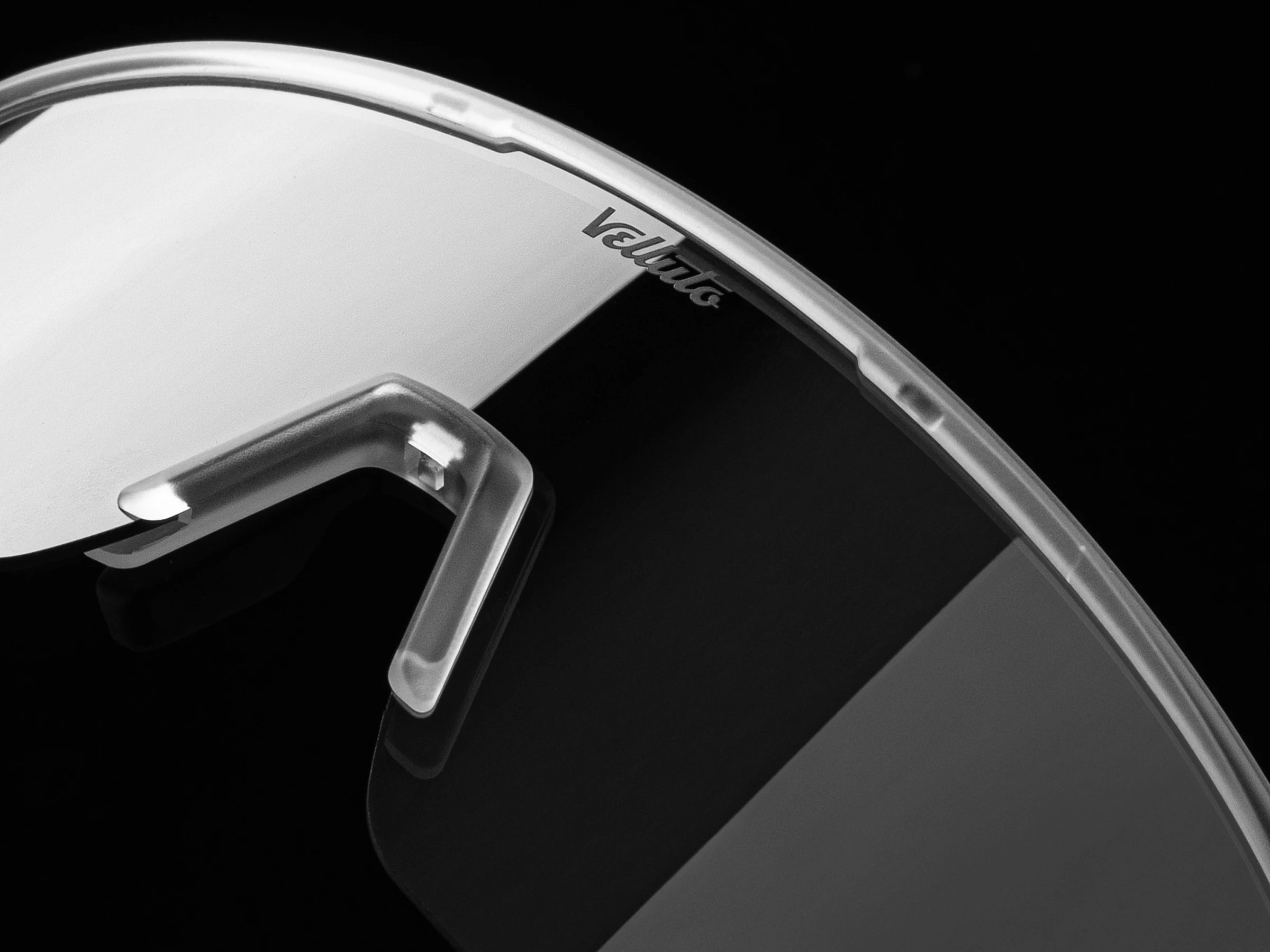
Sutro Lite är en etablerad modell på 26 gram med Prizm-linsteknik utformad för vägytan kontrast under ljusa, stabila förhållanden. Det är inte ett utbytbart system. StradaPro på 25 gram erbjuder en mekanisk design som låter dig växla mellan VellutoPuro-klarlensen och VellutoVisione-högkontrastlensen vid vägen på under tio sekunder. För vägarycklister som cyklar under varierande ljusförhållanden erbjuder ett utbytbart system flexibilitet som ett enfasta-linssystem inte kan tillhandahålla.
POC Devour: En utbytbar-linsalternativ
Devour är ett utbytbar-linsalternativ med brett linstäckning. Linsbytsmekanismen kräver medveten tryck vid specifika kontaktpunkter. Bågens vikt på 28 gram representerar ett mellanläge för moderna cykelglasögon. StradaPro väger 25 gram och använder en klick-in-mekanisme utan verktyg tillsammans med integrerad anti-imningsventilation, vilket ger cyklister som prioriterar minsta vikt och linsbytssnabbhet ett alternativ inriktat på dessa specifika kriterier.
Varför Velluto StradaPro tjänar sin plats i denna jämförelse
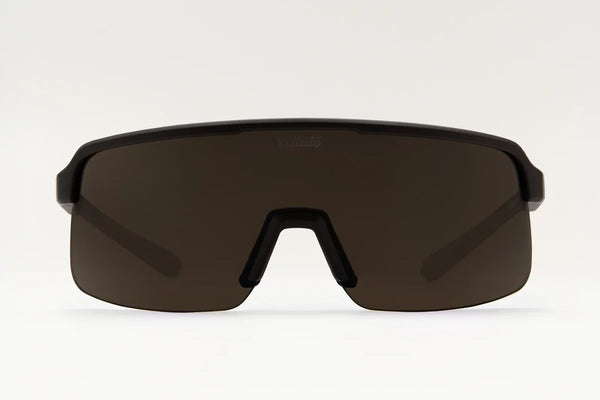
StradaPro designades för vägarycklister som cyklar under verkliga europeiska förhållanden, där vädret förändras, ljuset förändras, och klättringar gör varje linses anti-imningspåstående ett livetest. På 25 gram är det den lättaste bågen i denna jämförelse. Klick-in-linssystemet kräver inga verktyg och ingen kraft: både VellutoPuro transparentlensen och VellutoVisione högkontrastlensen passar och släpper rent. Det inbyggda anti-imningssystemet är strukturellt, inte kosmetiskt. Justerbara näsplattor betyder att bågen sitter på ditt ansikte oavsett näsbryggeometri. Och 30-dagars riskfri provperiod betyder att du kan testa varje ett av dessa påstående över verklig körning innan du förbinder dig.
Fyra färgalternativ: Arancia, Espresso, Nero, Viola. Gratis frakt på beställningar från 89 EUR. Om det inte presterar på dina körningar, skickar du det tillbaka. Det är förtroendet för ett märke som har testat sin produkt under de förhållanden du faktiskt cyklar under.
 Velluto StradaPro Glasses | Espresso
Vanliga frågor
Vad gör ett linssystem genuint utbytbart kontra bara avtagbar?
Ett genuint utbytbart system betyder att bågen är mekaniskt utformad för att acceptera och släppa flera linsvarianter snabbt, rent och upprepade gånger utan att försämra linsmonteringen över tid. En avtagbar lins är alla linsern du fysiskt kan ta ut, vanligtvis med ansträngning och risk för repor. Distinktionen spelar roll eftersom ett system du inte kommer att använda under körning ger dig ingen av fördelarna med mångsidighet.
Behöver jag mer än två linsern för väg- och gruscykling?
För den överväldigande majoriteten av väg- och gruscykling täcker två linsern varje realistiskt scenario: en klar eller mycket låg-tint lins för före gryning, svagt ljus och molniga förhållanden, och en högkontrastlins för varierande och ljusa förhållanden. Ytterligare nyanser ökar kostnaden och bärande vikt utan meningsfull fördel om du inte tävlar i höghöjd i väl full sol under flera på varandra följande timmar.
Hur viktigt är UV400-certifiering på en klar lins?
Mycket viktigt. UV-skada på ögat är kumulativ och osynlig. En klar lins utan UV-behandling överför samma skadande strålning som ingen glasögon alls, medan det ger dig en falsk känsla av skydd. Bekräfta att varje lins i ett system bär UV400-certifiering, vilket betyder 100 procent blockering av både UVA och UVB upp till 400 nanometer. Detta gäller både VellutoPuro-klarlensen och VellutoVisione högkontrastlensen, som båda är UV400-certifierad.
Kan jag hålla mina glasögon rena utan att repor linserna?
Linsytan på cykelglasögon är den mest sårbar delen av systemet. Torka aldrig en torr lins med ett tresorg eller något grovt tyg. Använd en dedikerad mikrofiber-duk, Velluto Cleaning Cloth är 25x25cm, 80 procent polyester och 20 procent polyamid, och ett syfte-gjord rengöringsspray. Velluto Cleaning Spray är 50ml, äppel-doftad, påfyllningsbar och tillverkad i Tyskland. Applicera spray först, sedan torka i cirkulära rörelser med lätt tryck.
 Velluto Cleaning Spray
Vilken är den lättaste cykelglasögonbågen med ett utbytbart linssystem 2026?
Baserat på tillverkningsdeklarerad vikt är Velluto StradaPro på 25 gram den lättaste bågen i denna jämförelse som också inkluderar ett fullständigt utbytbart linssystem, inbyggd anti-imning och UV400-certifiering över båda tillgängliga linserna.
Redo att cykla med linsern som matchar dina förhållanden, inte tvärtom? Bläddra genom det fullständiga Velluto-sortimentet på velluto-shop.com. Gratis frakt från 89 EUR. 30-dagars riskfri provperiod på varje beställning.