Lekkie Okulary Rowerowe na Długie Trasy 2026
Contents5 min read
Dlaczego lekkie okulary rowerowe stanowią rzeczywistą różnicę na długich trasach w 2026 roku
Ostatnia aktualizacja: 20 czerwca 2026
Obserwując peletonę Tour de Suisse na serpentynach na wysokości, lub podążając za ucieczką Critérium du Dauphiné w przeciwko wiatrowi, jednen szczegół wyróżnia się ponad ramy węglowe i kaski aerodynamiczne: każdy poważny kolarze nosi okulary, które znikają na twarzy. Nie dlatego, że dobrze wygląda w telewizji, ale dlatego że na pięciogodzinnym dniu w Alpach każdy gram noszony nad szyją przekłada się na zmęczenie. Jeśli planujesz własne letnie wyjazdy po trasach żwirowych lub przygotowujesz się do gran fondo w tym sezonie, kwestia wyboru lekkich okularów rowerowych do długich tras zasługuje na więcej niż pobieżną uwagę. Ten artykuł udziela prawidłowej odpowiedzi.
Jak oceniamy okulary rowerowe
Zanim cokolwiek zarekomendujemy, oto ramy odniesienia użyte w całym artykule. Każda para została oceniona na podstawie sześciu kryteriów: waga (mierzona w gramach, a nie w języku marketingowym), elastyczność systemu soczewek, certyfikacja UV400, możliwość regulacji dopasowania, wydajność przeciwmgielna i cena w stosunku do tego, co rzeczywiście otrzymujesz. To są czynniki, które oddzielają okulary noszone przez cały sezon od okularów, które trafiają do szuflady po dwóch jazdach.
Problem, który większość kolarzy ignoruje do kilometra 120
Nacisk jest niewidoczny, dopóki się nie nagromadzi. Mostek nosa, który czuje się dobrze na początkutrasy, na pierwszym podjeździe staje się powolnym drażnieniem, a do trzeciego etapu to rozpraszająca nudność. To nie jest skarga na komfort. Nacisk na mostek nosa wpływa na koncentrację, która wpływa na wybór linii jazdy, która wpływa na bezpieczeństwo podczas szybkich zjazdów. Okulary ważące 35 lub 40 gramów przenoszą to obciążenie bezpośrednio na dwa małe punkty kontaktu przez całą czas jazdy.
Jest też kwestia stabilności dopasowania. Cięższe oprawy się przesuwają. Pot rozluźnia chwyt, soczewka spada o kilka milimetrów i nagle linia wzroku na powierzchnię drogi jest zagrożona dokładnie wtedy, gdy to się liczy: techniczny zjazd, odcinek żwirowy lub szybki sprint grupowy. Lekkie oprawy z prawidłowo zaprojektowanymi poduszkami nosowymi pozostają na miejscu, ponieważ jest po prostu mniej masy działającej wbrew punktom kontaktu.
Przeciwmgielność to trzecia zmienna, którą kolarze niedoceniają, dopóki okno pogody w stylu Dauphiné nie zamknie się w środku podejścia. Przechodzisz z 28 stopni na dnie doliny do 12 stopni w warstwie chmur w ciągu niespełna dwudziestu minut. Soczewka bez aktywnego pokrycia przeciwmgielnego staje się nieprzezroczysta dokładnie w momencie, gdy potrzebujesz maksymalnej przejrzystości wzroku podczas technicznego zjazdu. To nie jest marginalny problem. To jest prawdziwy problem bezpieczeństwa, który najlepsze lekkie okulary rowerowe do długich tras rozwiązują na poziomie materiału, a nie powłoką, która się zużywa po sześciu tygodniach.
Porównanie wagi: jak naprawdę wyglądają liczby
Oto jak cztery z najczęściej wyszukiwanych okularów rowerowych w 2026 roku porównują się pod względem metryki, która ma znaczenie dla komfortu na długich trasach:
| Model | Waga | System soczewek | Ochrona przeciwmgielna | Rating UV | Polityka testowania |
|---|---|---|---|---|---|
| Velluto StradaPro | 25g | Wymienne soczewki click-in | System wbudowany | UV400 | 30-dniowy test bez ryzyka |
| Oakley Sutro Lite | około 36g | Jedna soczewka, zabarwienia Prizm | Geometria soczewki | UV400 | Dane producenta |
| POC Devour | około 30g | Wymienne | Kanały wentylacyjne | UV400 | Dane producenta |
| Tifosi Rail | około 28g | Wymienne | Soczewka wentylowana | UV400 | Dane producenta |
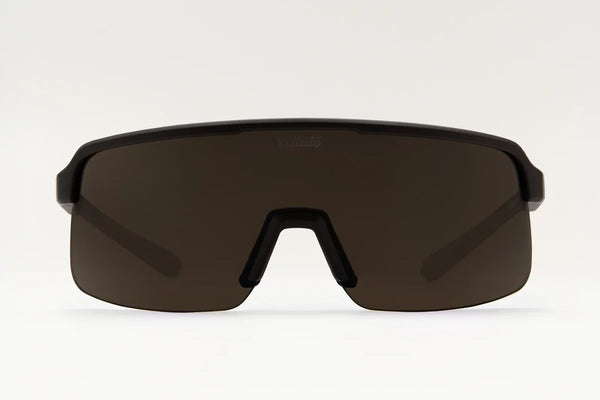
StradaPro waży 25 gramów. Na długich trasach każdy gram ma znaczenie dla komfortu nosa i stabilności dopasowania.
Na co zwrócić uwagę przy wyborze okularów rowerowych do długich tras
Użyj tej listy kontrolnej przed zakupem czegokolwiek:
- Waga poniżej 30g. Powyżej tego progu nacisk na mostek nosa staje się zauważalny na trasach dłuższych niż trzy godziny. Poniżej 28g oprawy praktycznie znikają.
- Regulowane poduszki nosowe. Jednorozmiarowy mostek nosa pasuje do jednej twarzy. Regulowane poduszki pasują do twojej twarzy. Różnica w stabilności na dystansie 150 kilometrów jest znacząca.
- Certyfikacja UV400, nie tylko "ochrona UV". UV400 oznacza 100-procentową blokadę długości fal UVA i UVB. Nieokreślona "ochrona UV" może oznaczać cokolwiek od 70% wzwyż.
- Rzeczywisty system przeciwmgielny. Nie jednorazowe powłoki hydrofilowe. Wbudowany system wentylacji i materiału, który działa konsekwentnie w zmieniających się temperaturach.
- Wymienne soczewki. Letnie jazdy zaczynają się w chłodnym świetle porannym i kończą się w blasku południa. Jeden odcień soczewki nie może zoptymalizować obu warunków. System click-in, który zmienia się w sekundy, rozwiązuje ten problem bez noszenia drugiej pary okularów.
- Polityka testowania obejmująca rzeczywiste jazdy. Żadna para okularów rowerowych nie ujawnia swoich wad w sklepie. Jeśli marka nie pozwala ci testować na rzeczywistych trasach, zapytaj dlaczego.
Dlaczego Velluto StradaPro działa dla poważnych kolarzy na długie dystanse
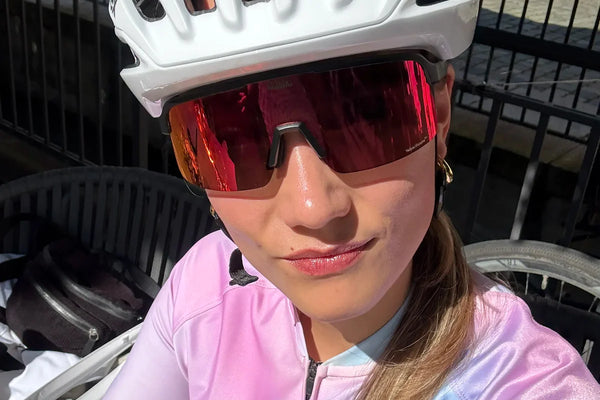
StradaPro został zbudowany specjalnie dla kolarstwa szosowego, a każda specyfikacja to odzwierciedla. Przy wadze 25 gramów to najlżejsza oprawy w tym porównaniu. Regulowane poduszki nosowe nie są elementem kosmetycznym: rozprowadzają wagę na twoją specjalną geometrię nosa, co eliminuje punkty ucisku na trasach, gdzie nadal jedzisz cztery godziny po tym, jak je włożyłeś. Wbudowany system przeciwmgielny działa dokładnie w warunkach, które łamią słabsze soczewki: upadki temperatury w stylu Dauphiné, długie odcinki tuneli szwajcarskiego etapu alpejskiego, zimny poranek zjazdu zanim słońce wyjaśni horyzont.
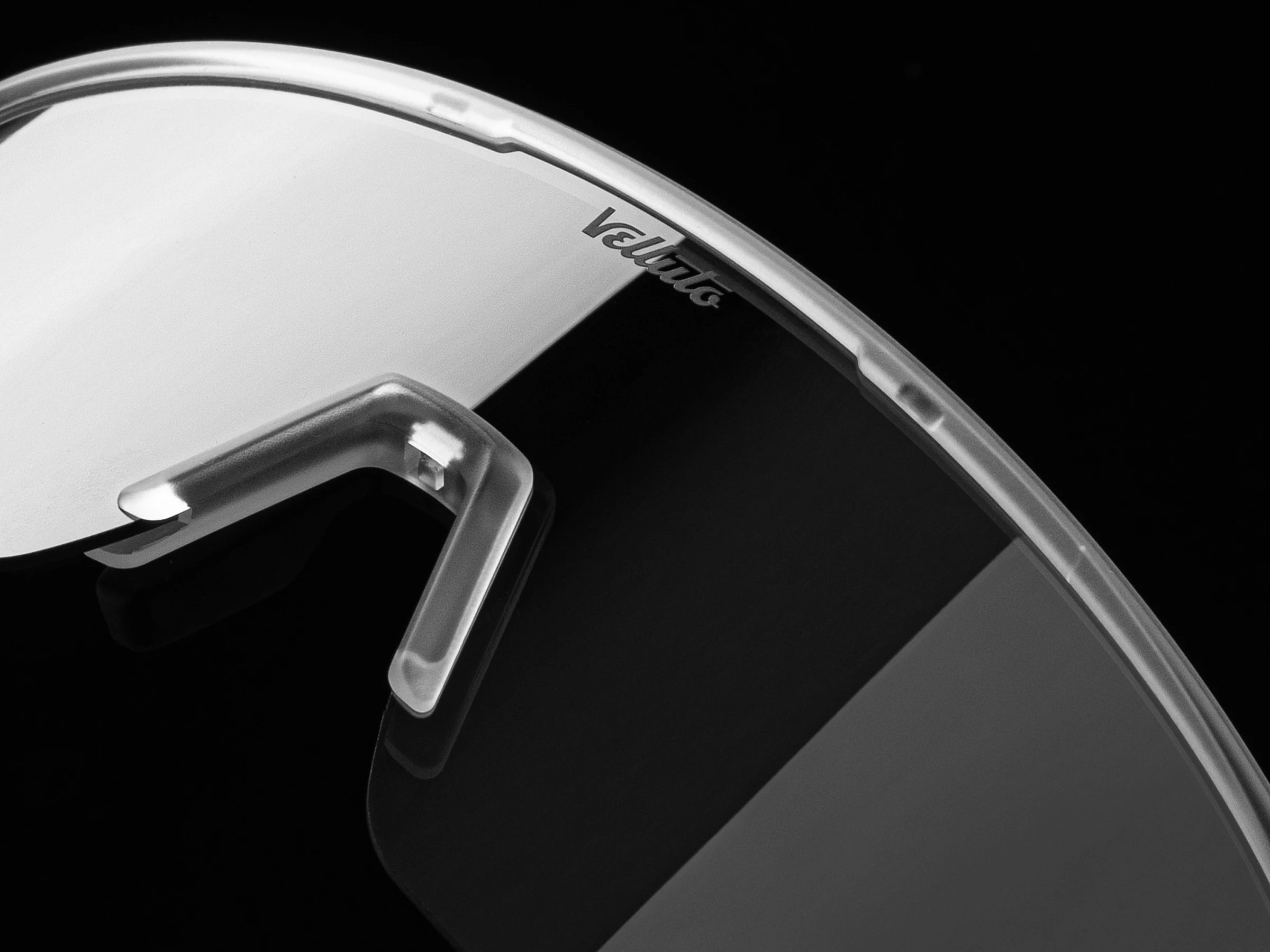
System soczewek ma równie duże znaczenie co oprawy. Przezroczysta soczewka VellutoPuro jest zaprojektowana do jazdy we wczesnych godzinach porannych lub pochmurnych, zapewniająca pełną ochronę przed wiatrem i owadami bez zaburzenia widzialności w słabym świetle. Wysoko kontrastowa soczewka VellutoVisione poprawia definicję wizualną w pełnym słońcu i zmiennym świetle, ułatwiająca czytanie tekstury powierzchni drogi. Obie wcinają się i wyłączają bez narzędzi w kilka sekund. To praktyczna odpowiedź na zmienne letnie światło: jedna oprawy, dwie soczewki, każdy warunek pokryty.
30-dniowy bezpłatny test to szczegół, który usuwa ostatnie wahanie. Testujesz je na rzeczywistych trasach, w rzeczywistej pogodzie, na drogach, którymi rzeczywiście jeździsz. Jeśli nie sprawdzą się dla ciebie, możesz je zwrócić.
 Velluto Starter Vision Kit | Arancia
Często zadawane pytania
Czy lekkie okulary rowerowe poniżej 30g rzeczywiście są warte swojej ceny na długich trasach?
Tak. Poniżej 30 gramów nacisk na mostek nosa staje się znikomy na trasach trwających trzy godziny lub dłużej. Przy 25 gramach StradaPro siedzi wygodnie w tym progu. Różnica między 25g a 36g nie jest odczuwalna w sklepie. Jest odczuwana na godzinie czwartej na letnim etapie alpejskim.
Czy wymienne soczewki mgłą się częściej niż soczewki stałe?
Nie, jeśli system przeciwmgielny jest wbudowany w projekt oprawy i soczewki, a nie stosowany jako powłoka powierzchniowa. StradaPro używa wbudowanego systemu przeciwmgielnego, który działa konsekwentnie w zmianach temperatury, niezależnie od tego, która soczewka jest zainstalowana.
Jakie są najlepsze okulary rowerowe przeciwmgielne na długie letnie jazdy w 2026?
Do jazdy szosowej i po żwirach w zmiennych warunkach, Velluto StradaPro łączy wbudowany system przeciwmgielny, wagę 25g i wymienne soczewki przezroczyste oraz wysoko kontrastowe. To połączenie rozwiązuje kluczowe wyzwania okularów rowerowych na długie letnie dni.
Gotów do jazdy z okularami, które idą w twoim tempie? Rozpocznij 30-dniowy test na stronie velluto-shop.com.