Verres de Cyclisme & Compteurs Vélo 2026
Verres de Cyclisme & Compteurs Vélo : pourquoi c'est important en 2026. Découvrez les équipements essentiels pour le cyclisme moderne.
Contents6 min read
Verres Polarisés vs Non-Polarisés pour le Cyclisme. Pourquoi la Polarisation n'est Pas Toujours Meilleure pour les Ordinateurs de Vélo et la Sécurité Routière
Mai 2026. Le peloton du Giro d'Italia serpente à travers les cols de montagne, le calendrier du gravel est en plein essor, et des milliers de cyclistes s'engagent pour l'Alpe d'Huez, l'une des ascensions les plus émouvantes du cyclisme français. Chacun de ces coureurs baissera les yeux à un moment donné, regardera un écran, lira un chiffre. Et un nombre significatif d'entre eux porteront des verres polarisés qui rendront cet écran sombre, spectral ou complètement invisible. La question de Verres de Cyclisme et Compteurs Vélo. Pourquoi C'est Important en 2026 semble être un détail de niche. Ce n'est pas le cas. C'est la différence entre rouler avec des données et rouler en aveugle.
Le Problème Caché. Comment les Verres Polarisés Contrarient votre Ordinateur de Vélo
Les verres polarisés fonctionnent en filtrant les ondes lumineuses orientées horizontalement, celles responsables de l'éblouissement sur les routes mouillées, les capots de voiture et l'eau stagnante. En théorie, cela semble idéal pour le cyclisme. En pratique, il y a un problème de physique que la plupart des cyclistes découvrent seulement en pleine course, généralement à 40 km/h en descente.
De nombreux ordinateurs de vélo modernes utilisent des écrans LCD ou TFT qui émettent eux-mêmes de la lumière polarisée. Lorsque l'axe de polarisation de votre verre s'aligne perpendiculairement à l'axe de polarisation de votre écran, l'affichage s'assombrit dramatiquement ou s'éteint complètement. Inclinez légèrement votre tête ou tournez légèrement votre poignet et l'écran revient. Ce n'est pas un verre défectueux ou un ordinateur cassé. C'est la physique. Les deux plans de polarisation s'annulent mutuellement. Certains cyclistes apprennent à contourner cela. La plupart trouvent cela véritablement dangereux sur les routes rapides et techniques où regarder vers le bas plus d'une seconde vous coûte la concentration et la position.
Il y a une deuxième question moins discutée. les feux tricolores. Les feux de circulation LED modernes peuvent être polarisés dans des orientations spécifiques. À certains angles, en particulier lorsque vous êtes en position aérodynamique agressive avec la tête inclinée, un verre polarisé peut assombrir ou déformer un signal lumineux rouge. Dans les environnements de cyclisme urbain avec un trafic rapide, il ne s'agit pas d'une préoccupation abstraite. C'est un danger documenté signalé par les chercheurs en sécurité routière en Allemagne et au Royaume-Uni. La polarisation n'est pas un défaut. Mais c'est un compromis que les cyclistes sur route devraient comprendre avant d'acheter.
Ce qu'il Faut Réellement Chercher dans un Verre de Cyclisme sur Route. Une Liste de Contrôle Pratique
Maintenant que vous savez ce qu'il faut éviter, voici ce qu'il faut chercher à la place.
- Certification UV400. Non négociable. C'est la norme qui garantit le blocage à 100% des rayonnements UVA et UVB, les longueurs d'onde qui endommagent la cornée et le cristallin de l'œil avec une exposition cumulative. Un verre sans certification UV400 est une décoration, pas une protection.
- Performance antibuée. Les cols comme l'Alpe d'Huez, ou tout effort soutenu par un matin frais, génèrent de la chaleur faciale et de l'humidité. Sans système antibuée actif, votre verre s'embrume à la descente, exactement quand vous avez besoin d'une vision claire. Cherchez un système intégré, pas un spray appliqué après coup.
- Teinte de verre compatible avec l'écran. Un verre clair (VLT proche de 100%) ou un verre haute définition sans polarisation vous donne une lisibilité d'écran complète à chaque angle de tête. Vous conservez vos données. Vous conservez votre marge de sécurité.
- Système de verres interchangeables. Un seul verre ne convient pas à chaque condition. Les départs à l'aube, le soleil de midi, les sorties gravel par temps couvert, vous avez besoin de la possibilité de changer de verres sans outils, sans tracas, en moins de dix secondes.
- Poids inférieur à 30 grammes. Sur quatre, cinq ou six heures, le poids en grammes devient un confort. Un cadre de plus de 30 g ajoute une pression mesurable sur le nez et les tempes lors des efforts prolongés.
- Ajustement réglable. L'ajustement sécurisé détermine la clarté optique. Un verre qui repose trop loin du visage laisse entrer le vent et les débris autour des bords. Les plaquettes nasales réglables vous permettent de régler la position en fonction de votre anatomie.
Pourquoi les Verres Velluto StradaPro Sont Conçus pour le Cyclisme sur Route
Le StradaPro a été conçu autour d'une question centrale. quels sont les véritables besoins d'un cycliste sur route en matière de système d'optique. Pas ce qui regarde bien dans une image marketing. Ce qui fonctionne sur un audax de 180 kilomètres, une course gravel en lumière variable, ou une ascension de l'Alpe d'Huez qui commence à 6 heures du matin et se termine en plein soleil d'après-midi.
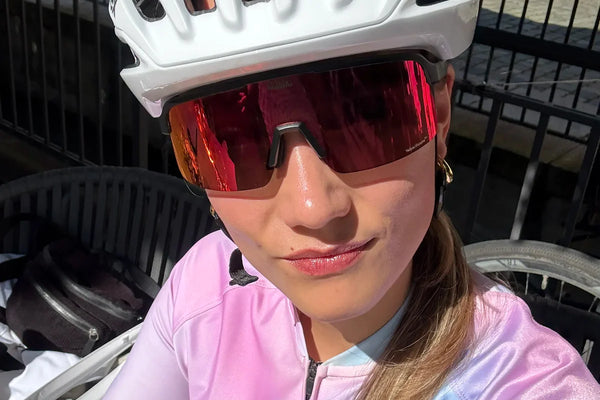
La réponse n'est pas la polarisation. C'est la polyvalence, le poids et l'intégrité optique. À 25 grammes, le cadre StradaPro offre un poids optimisé pour le confort sur les sorties prolongées. Le système antibuée intégré maintient la vision claire sur les cols et dans les conditions froides et humides qui sont standard dans le cyclisme printanier français. Les plaquettes nasales réglables vous permettent d'ajuster le cadre avec précision, éliminant les micro-ajustements et le glissement en pleine course qui perturbent la concentration.
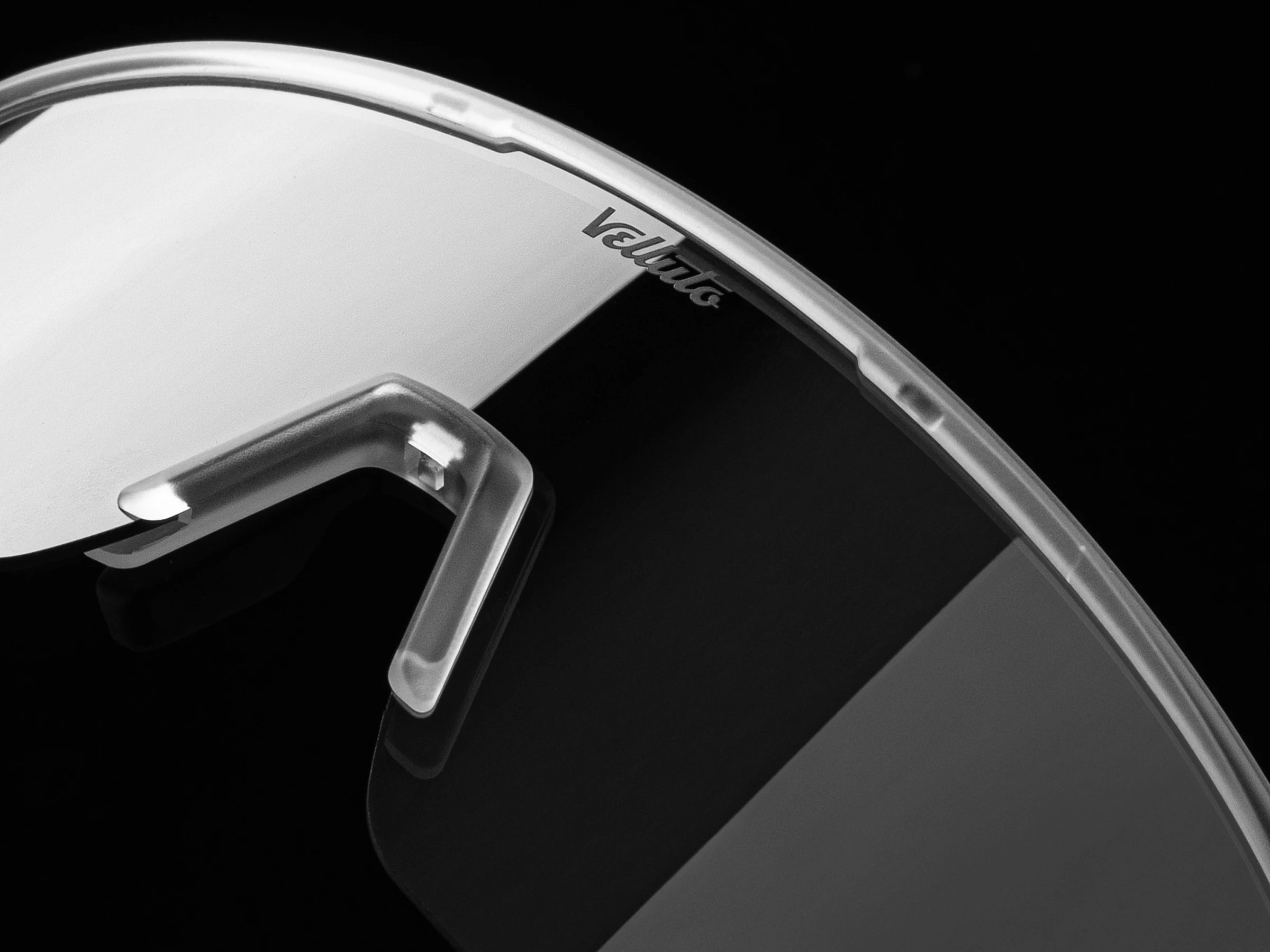
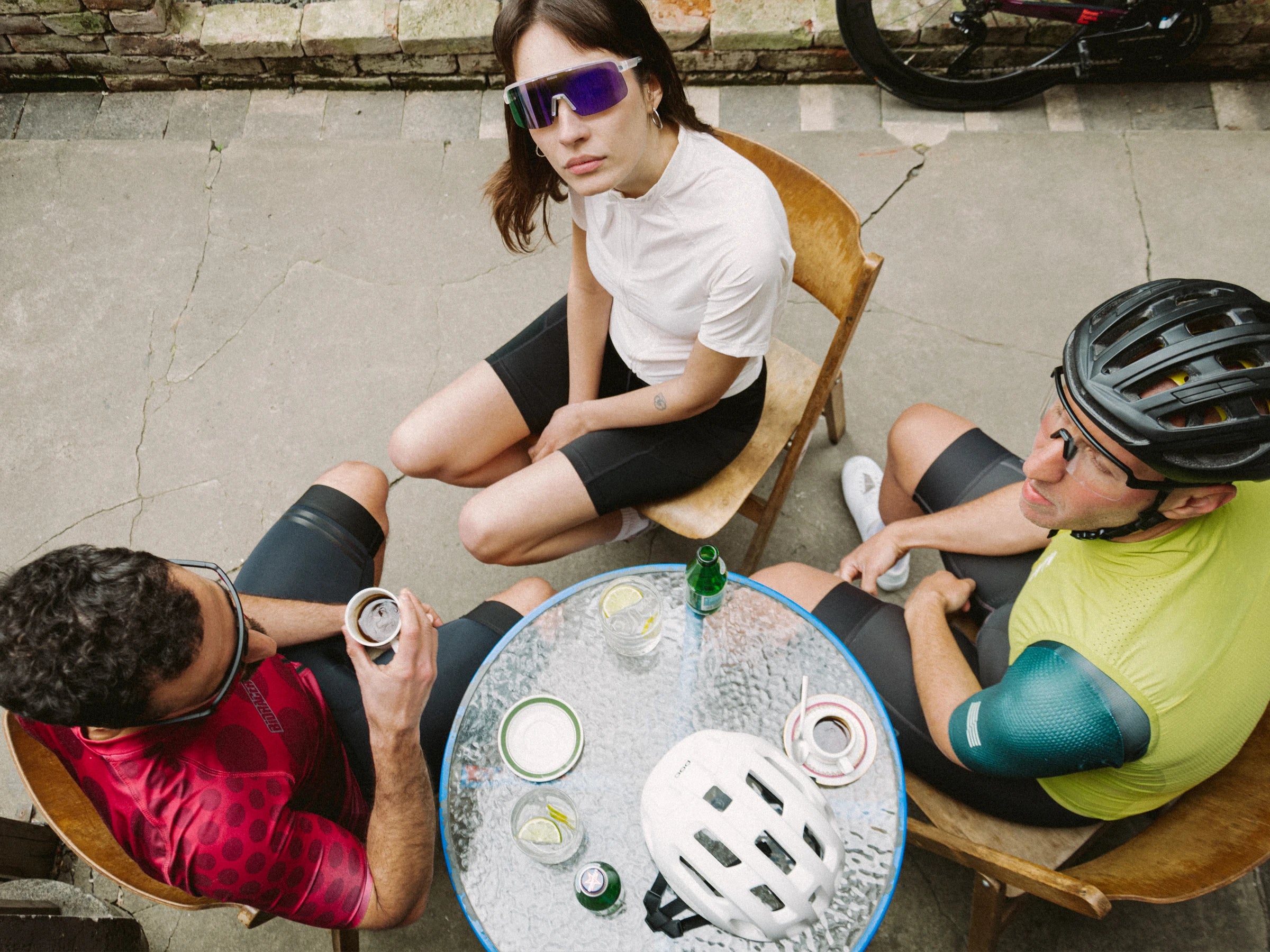
Le système de verres est l'endroit où le StradaPro gagne sa place en tant que partenaire quotidien. Le verre transparent VellutoPuro offre une transmission lumineuse proche de 100%, idéal pour les départs à l'aube, le gravel en forêt, les jours de printemps nuageux, et tout moment où vous avez besoin d'une lisibilité maximale sans tourner la tête. Le verre haute définition VellutoVisione affûte la définition visuelle en lumière variable, sans polarisation, ce qui permet une lisibilité d'écran optimale à chaque angle. Les deux verres s'enclenchent et se retirent en secondes, sans outils. Les deux portent la certification UV400. Vous changez à l'arrêt café. Vous roulez.
L'essai sans risque de 30 jours supprime la barrière restante. Testez-le sur les vraies routes, dans les vraies conditions, sous la pluie et sur les cols, avant de vous engager. Si cela ne fonctionne pas pour vous, renvoyez-le. C'est l'accord.
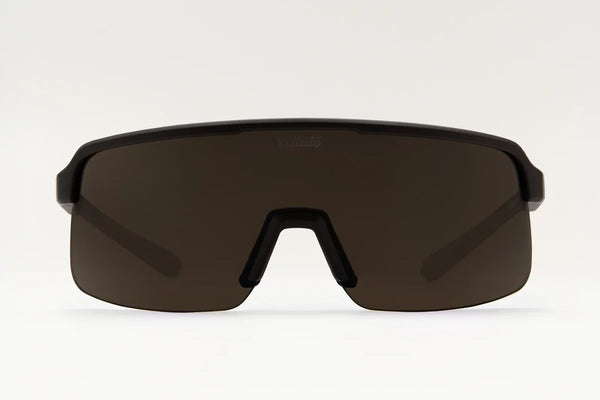
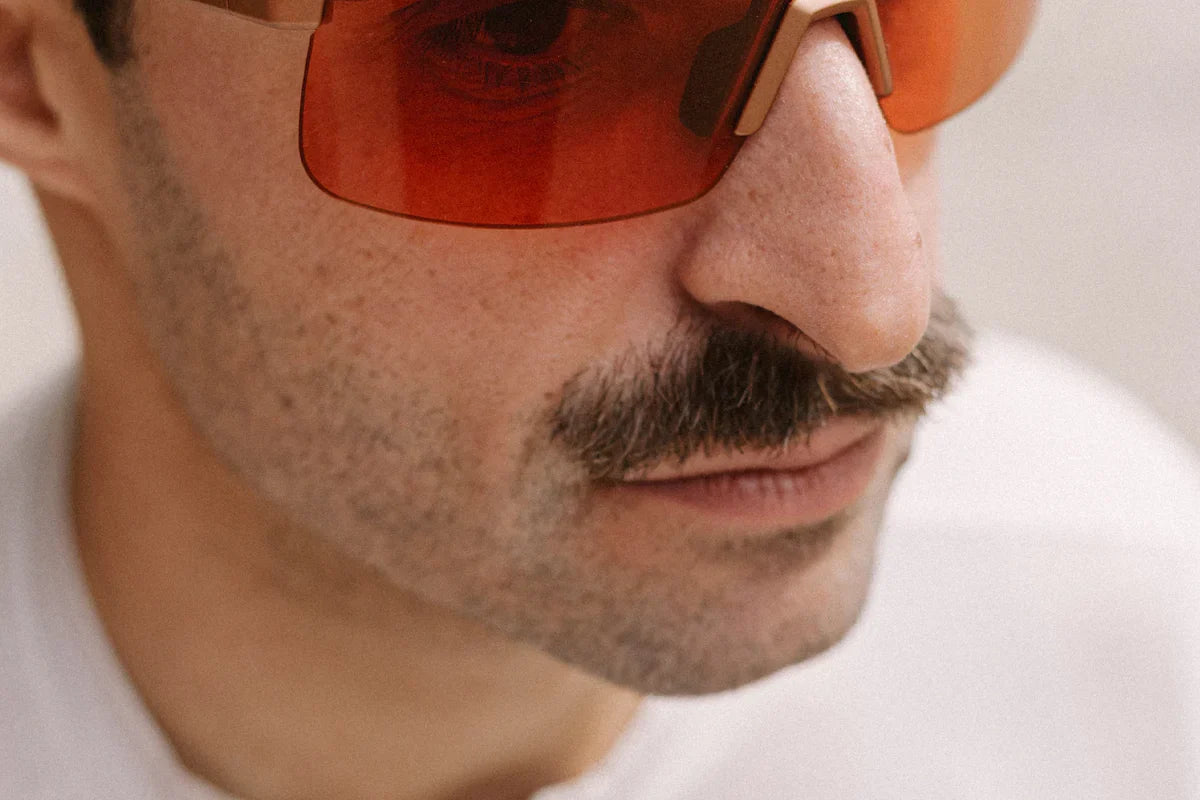
 Velluto StradaPro Glasses | Espresso
25g . UV400 . Antibuée . Verres à enclic . Essai 30 jours Essayer le StradaPro Sans Risque
Questions Fréquemment Posées
Les verres de cyclisme polarisés fonctionnent-ils avec les ordinateurs Garmin ou Wahoo.
Pas de manière fiable. Les verres polarisés peuvent assombrir ou réduire la lisibilité des écrans LCD et TFT en fonction de l'angle entre l'axe de polarisation du verre et l'écran. C'est une propriété physique de la manière dont les filtres polarisés interagissent avec les sources lumineuses polarisées. Pour une lisibilité d'écran fiable, un verre non polarisé avec protection UV400 est recommandé pour les cyclistes sur route qui dépendent des données en direct.
Les verres polarisés peuvent-ils affecter la façon dont je vois les feux tricolores.
Oui, dans certaines conditions. À certains angles de tête, courants dans une position aérodynamique de cyclisme, certains verres polarisés peuvent réduire la luminosité ou altérer la perception des signaux lumineux. La recherche en sécurité routière a relevé cette préoccupation pour les cyclistes dans le trafic urbain. Un verre haute définition non polarisé de qualité comme VellutoVisione préserve la précision complète des couleurs et du contraste.
Quel est le meilleur verre pour les conditions lumineuses variables lors d'une longue sortie.
Un verre haute définition non polarisé combiné à une option interchangeable claire s'adapte à l'ensemble des conditions. Le VellutoVisione affûte la définition en lumière mixte; le VellutoPuro offre une transmission lumineuse maximale pour l'aube, le crépuscule et les sections en forêt. Les deux s'enclenchent dans le cadre StradaPro en secondes. Pas d'outils, pas de tracas, juste le bon verre pour la lumière dans laquelle vous roulez réellement.
Prêt à rouler avec une vision claire et des données complètes. Explorez le système StradaPro complet sur velluto-shop.com, essai sans risque de 30 jours, à partir de 69 EUR.