Lunettes Cyclisme Anti-Buée Pluie: Solutions 2026
Contents7 min read
Anti-Fog Cycling Glasses for Wet Weather: What Works in 2026
Dernière mise à jour : 22 juin 2026. Le peloton du Tour de Suisse a descendu le col du Gothard sous des trombes d'eau cette semaine. Le Critérium du Dauphiné s'est terminé avec des coureurs essuyant leurs verres tous les kilomètres à travers la brume alpine. Et si vous avez roulé récemment sur les routes ou chemins français par temps humide, vous connaissez déjà cette sensation : vos verres s'embuent à la montée, puis se couvrent de pluie à la descente, puis s'embuent à nouveau dès que vous ralentissez. La question que se posent les cyclistes sérieux en ce moment est de savoir quelle technologie fonctionne vraiment pour leurs conditions de route spécifiques.
Pourquoi la buée et la pluie détruisent votre sortie et votre sécurité
La buée n'est pas un simple désagrément. En descente mouillée à 60 km/h, un verre embué est un véritable danger. La physique est simple : l'air chaud et humide de votre respiration et de votre transpiration rencontre une surface de verre plus froide, se condense, et disperse la lumière. Le résultat est un flou diffus qui détruit le contraste exactement quand vous avez besoin de la meilleure vision. En France, lors de sorties sur les cols alpins ou les routes du Massif Central, cette situation n'est pas un cas marginal. Le temps cycliste change rapidement entre le soleil, le vent et la bruine au cours d'une seule sortie de deux heures. Vos lunettes doivent gérer tout cela.
Les deux principales réponses techniques sont les revêtements anti-buée et les traitements hydrophobes. Ils résolvent des problèmes différents et sont souvent confondus l'un avec l'autre. Les revêtements anti-buée agissent sur la surface interne du verre : ils attirent et étalent l'humidité en une fine pellicule invisible plutôt que de laisser l'eau se condenser en gouttelettes qui obscurcissent la vision. Les revêtements hydrophobes agissent sur la surface externe : ils repoussent l'eau pour que la pluie perle et s'écoule au lieu de former un voile. Les meilleures lunettes anti-buée pour le cyclisme par mauvais temps combinent les deux. Certains verres offrent l'un ou l'autre de ces traitements, tandis que les verres haut de gamme combinent généralement les deux approches.
Il existe un troisième facteur que la plupart des acheteurs négligent : la ventilation de la monture. Un revêtement de verre ne peut faire que si peu si la monture piège l'air chaud contre l'intérieur du verre. Une monture bien conçue canalise le flux d'air en continu sur la surface interne du verre. À vitesse de route, cela signifie que la buée n'a jamais le temps de se former. À faible vitesse ou lors d'une sortie gravel par étapes, le revêtement fait le travail. La géométrie de la monture et la chimie du verre travaillent ensemble, et évaluer l'une sans l'autre vous donne une image incomplète.
Comment évaluer la performance anti-buée : une liste de contrôle pratique
Avant de dépenser de l'argent pour des lunettes de cyclisme en 2026, passez en revue cette liste de contrôle :
- Revêtement confirmé sur la surface interne ? Demandez ou consultez la fiche technique. « Anti-buée » sur le verre externe ne fait presque rien contre la buée de votre respiration.
- Conception de ventilation de la monture ? Cherchez des canaux ouverts en haut et en bas, pas une monture enveloppante fermée qui bloque le flux d'air.
- Revêtement hydrophobe externe ? Pertinent pour la pluie, les éclaboussures et la boue. Faites glisser une goutte d'eau sur le verre : elle devrait perler et s'écouler proprement.
- Certifié UV400 ? La conduite par mauvais temps signifie souvent de l'éblouissement à travers la couverture nuageuse. La certification UV400 confirme une protection à 100% contre les rayons UVA et UVB indépendamment de la teinte du verre.
- Système de verres interchangeables ? Les conditions changent. Un verre transparent pour les montées nuageuses et un verre haute contrast pour la lumière variable vous donnent plus de contrôle qu'un seul verre fixe.
- Poids inférieur à 30g ? Les montures plus lourdes glissent sur la sueur, créant des micro-ajustements constants qui brisent votre concentration. Chaque gramme au-dessus de 28g ajoute de la friction sur une longue sortie mouillée.
- Période d'essai ? La performance anti-buée est impossible à juger en magasin. Vous devez la tester sur une vraie montée dans une vraie humidité.
Comment éviter la buée sur les lunettes pendant la course à pied ?
La buée se forme quand l'air chaud et humide de votre respiration rencontre un verre froid. Les trois solutions principales sont : un revêtement anti-buée appliqué sur la surface interne du verre qui étale l'humidité en un film invisible, une ventilation active de la monture qui canalise l'air frais en continu sur la face interne, et un ajustement correct pour éviter que l'air chaud ne soit piégé contre le verre. La performance anti-buée doit être évaluée en conditions réelles, pas en magasin.
Est-ce que les lunettes anti-éblouissement sont efficaces ?
Oui, mais avec nuance. Les verres haute contrast améliorent la perception des détails et réduisent la fatigue oculaire en conditions de lumière variable ou faible. La haute contrast améliore la perception des détails et réduit la fatigue oculaire, offrant une flexibilité supplémentaire par rapport à un verre teinté fixe unique. Pour les conditions en montagne changeantes, un système de verres interchangeables vous permet de passer d'un verre transparent à un verre haute contrast selon les besoins, ce qui donne plus de flexibilité qu'un seul verre teinte fixe.
Quel est le traitement anti-buée le plus efficace pour les lunettes ?
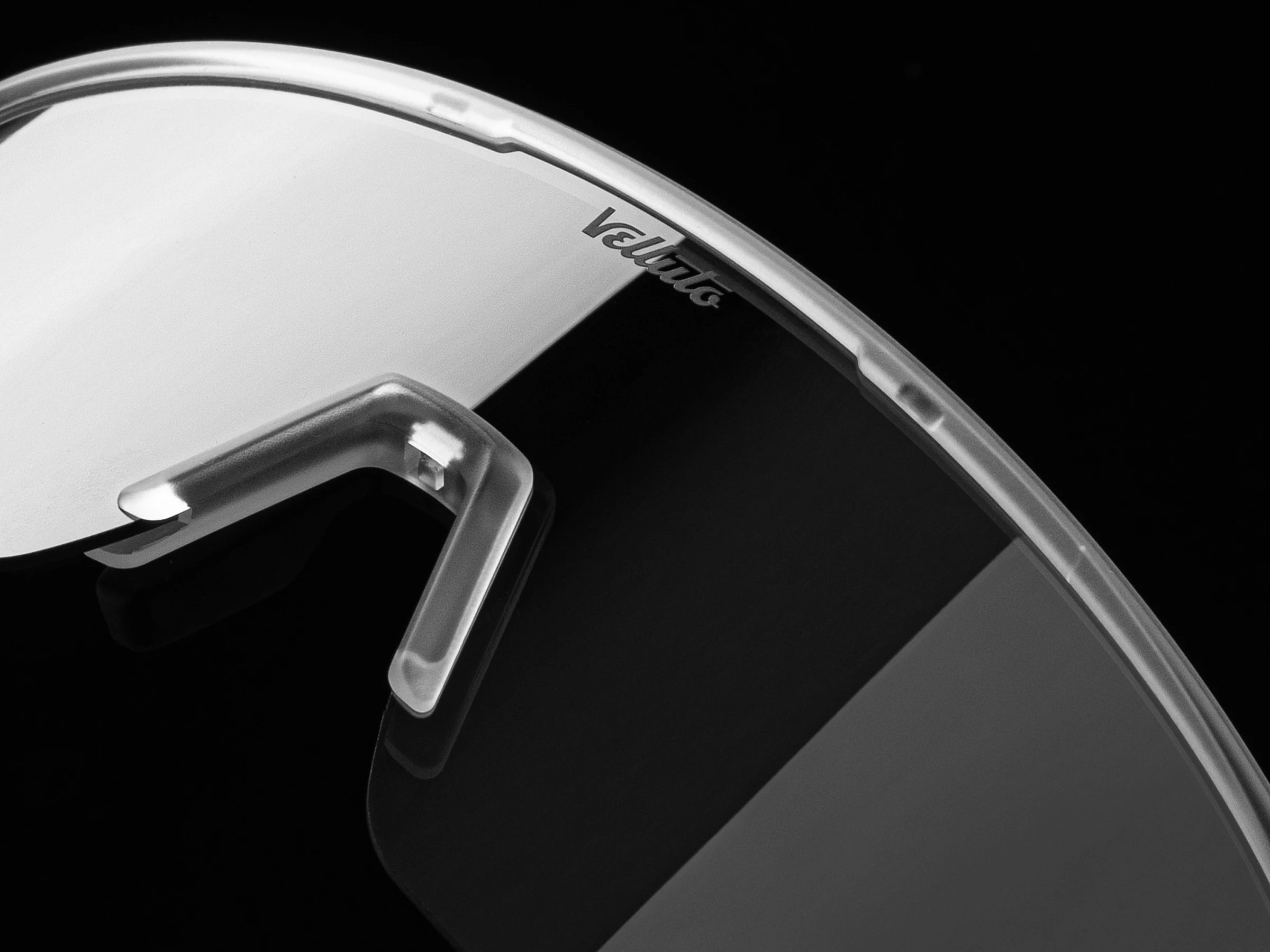
Le traitement anti-buée le plus efficace combine un revêtement chimique sur la surface interne qui attire et étale l'humidité, soutenu par une ventilation active de la monture qui éloigne l'air chaud du verre. Un seul traitement sans ventilation est insuffisant par basse vitesse ou à l'arrêt. Un traitement intégré dans la structure du verre, plutôt qu'appliqué en surface, persiste à travers des nettoyages répétés et des changements de verres interchangeables.
Comment la StradaPro Velluto s'aligne sur les critères de performance anti-buée
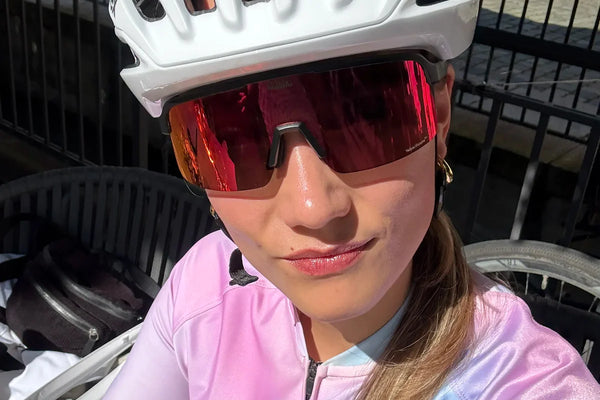
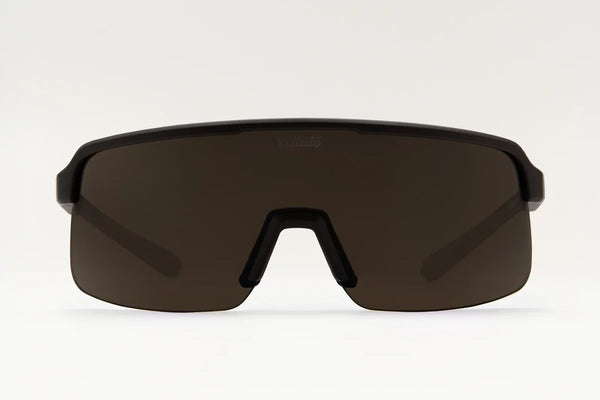
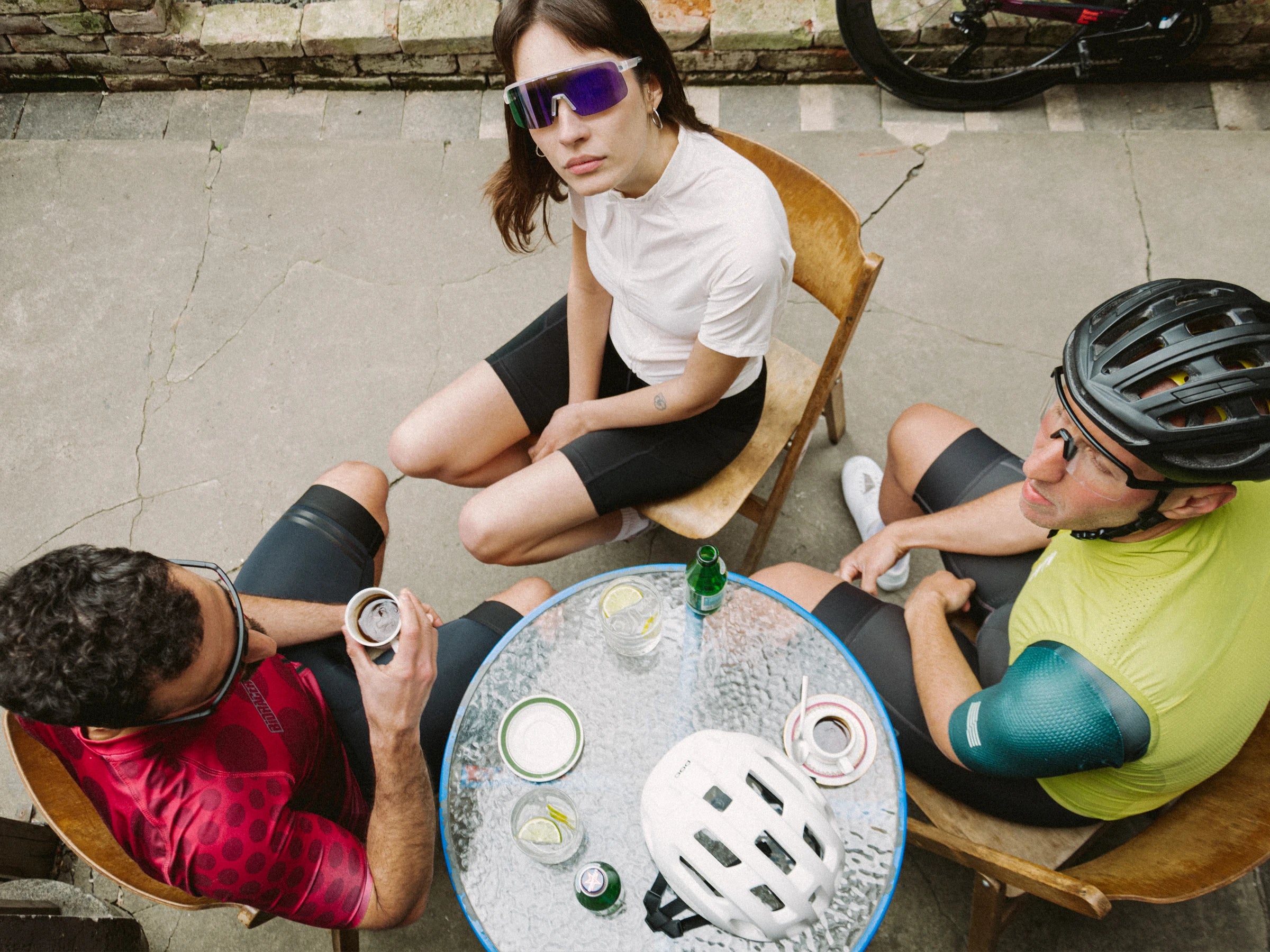
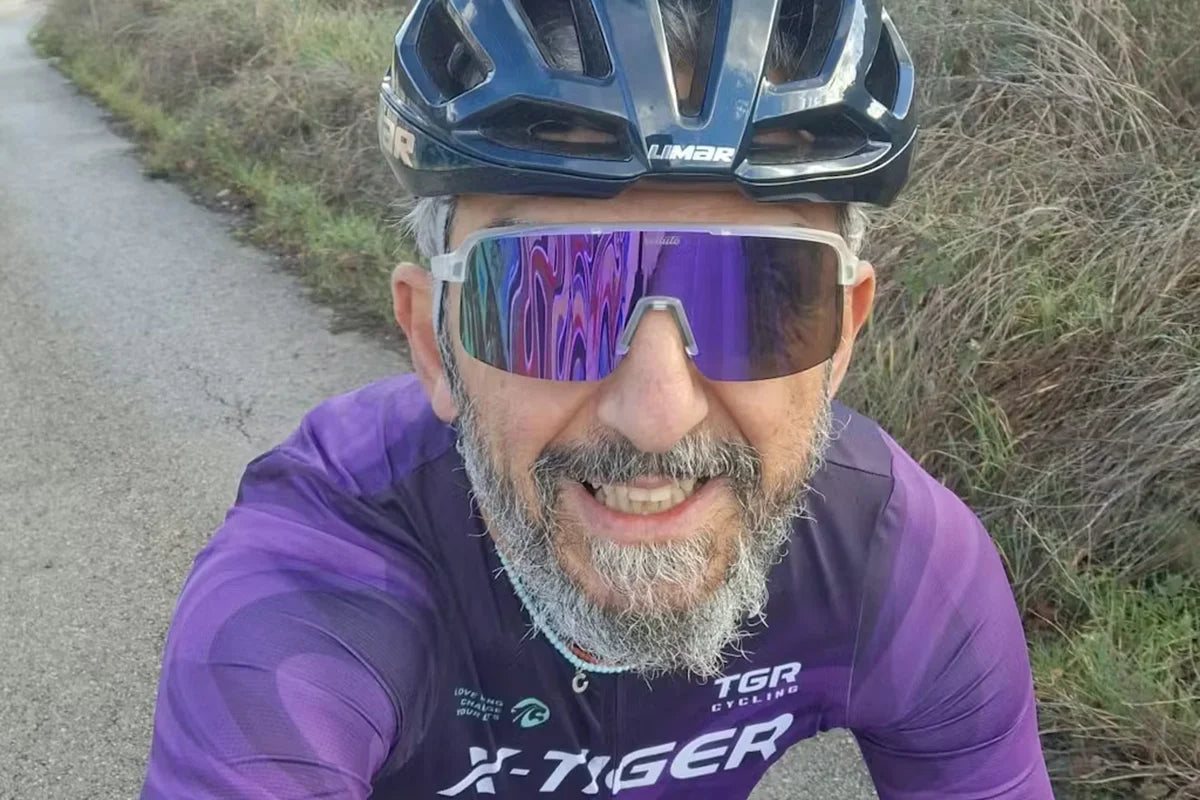
La StradaPro combine une conception italienne et une fabrication allemande pour les conditions décrites ci-dessus : météo variable européenne, longues sorties de route, et cyclistes qui recherchent la fois performance et confort. La StradaPro pèse 25 grammes, offrant une construction légère conçue pour minimiser la pression et les micro-ajustements lors de longues sorties mouillées.
Le système anti-buée intégré agit sur la surface interne du verre et est soutenu par une géométrie de monture qui maintient l'air en mouvement sur le verre à toutes les vitesses de route. En montée, où l'allure baisse et la respiration s'accélère, le revêtement fait son travail. En descente, la ventilation fait le reste. Les coussinets nasaux ajustables vous permettent de peaufiner précisément l'ajustement, ce qui compte pour la performance anti-buée : une monture mal ajustée qui laisse passer l'air canalise directement l'air chaud sur la surface interne du verre. Un ajustement correct combiné à une ventilation active est la bonne réponse.
Le système de verres VellutoPuro (transparent) et VellutoVisione (haute contrast) avec click-in vous permet de passer rapidement d'une teinte à l'autre sans outils, en secondes, au bord de la route. Les deux verres sont certifiés UV400 et portent le même traitement anti-buée intégré. La StradaPro est livrée avec un essai sans risque de 30 jours pour évaluer la performance anti-buée en conditions réelles sur vos propres sorties.
 Velluto Starter Vision Kit | Viola
Gardez vos verres performants au mieux avec le spray de nettoyage Velluto : parfum de pomme, rechargeable, fabriqué avec soin, et sûr sur tous les verres traités.
 Velluto Cleaning Spray
Questions fréquemment posées
Quelle est la différence entre les revêtements anti-buée et hydrophobes sur les lunettes de cyclisme ?
Les revêtements anti-buée sont appliqués sur la surface interne du verre et empêchent la condensation de votre respiration de former des gouttelettes qui obscurcissent la vision. Les revêtements hydrophobes vont sur la surface externe et font perler la pluie pour qu'elle s'écoule. Les deux remplissent des fonctions différentes. Pour le cyclisme sur route par mauvais temps en France, vous voulez un verre qui a les deux, soutenu par une monture avec des canaux de ventilation active.
Les verres interchangeables maintiennent-ils la performance anti-buée après des changements répétés ?
Oui, à condition que le revêtement soit intégré dans la structure du verre plutôt qu'appliqué comme un spray surface. Les verres VellutoPuro et VellutoVisione utilisent un traitement anti-buée intégré qui ne se dégrade pas avec les changements normaux avec click-in. Évitez d'essuyer la surface interne du verre avec des chiffons abrasifs, et nettoyez avec un produit conçu pour les verres traités.
Un essai de 30 jours est-il suffisant pour tester correctement les lunettes anti-buée pour le cyclisme ?
Pour la plupart des cyclistes en France, oui. Trente jours de sorties mixtes d'été vous donneront plusieurs montées mouillées, des matinées humides et des descentes en lumière variable. C'est précisément le test réel qu'un ajustement en magasin ne peut pas reproduire. L'essai sans risque de 30 jours de la StradaPro existe parce que la performance anti-buée doit être testée sur le terrain, pas sous les lumières LED d'un magasin.
Prêt à tester la différence par vous-même ? Explorez la gamme complète StradaPro, les options de verres interchangeables et les accessoires sur velluto-shop.com. Livraison gratuite à partir de 89 EUR d'achat.