Cykelglaslinser: Udskiftning, Pris & Opgraderin
Contents4 min read
Cycling Glasses Lens Replacement: Costs & When to Upgrade (2026)
Landevejscyklingen gennem danske sommerkup og gravel-weekender stiller høje krav til dit syn. Når linserne er ridset, gulnede eller duggede uden for normen, opdager cyklister ofte, at de har kørt på kompromitteret syn længere end nødvendigt. Hvis du søger klarhed om cycling glasses lens replacement, hvad det reelt koster hos danske forhandlere i 2026, og om reparation overhovedet giver mening, er denne guide præcis det, du har brug for, før du bruger en eneste krone.
Det egentlige problem: Når en linse-ridse bliver et sikkerhedsproblem
En let overfladisk ridse på en cykellinse er irriterende. En dyb ridse direkte i dit centrale synsfelt er en risiko. Ved 40 km/t i en nedoverbakke reducerer forvrænget lysbrydning gennem en beskadiget linse din reaktionstid over for vejforholdene, grusflader og andre cyklister. De fleste cyklister undervurderer, hvor længe de har kørt på kompromitterede linser, simpelt fordi forringelsen sker gradvist.
Den anden fejlmodus er sammenbrud af antiduggbehandling. Antiduggbelægninger har en levetid. Efter gentagen rengøring med papirhåndklæder, hårde sprays eller trøjestof nedbryder belægningen. En kølig morgen på en stigning ankommer duggen på det værst tænkelige tidspunkt: midt i anstrengelsen, begge hænder på styret. Hvis dine linser dugger på ture, hvor de før ikke gjorde det, er belægningen væk, og ingen rengøring vil genoprette den.
Rammeskade er den tredje trigger. Næsepolstring revner eller trykkes permanent. Ørebukkene mister greb. Hængsler løsnes. En ramme, der sidder skævt, selv kun lidt, ændrer din linseplacement i forhold til dit øje og introducerer optisk forvrængning på lange ture. Efter fire eller fem timer i sadlen bliver denne forvrængning til hovedpine, bogstaveligt.
Hvad Cycling Glasses Lens Replacement faktisk koster hos danske forhandlere i 2026
Her er det ærlige billede. For mærkede cykelbriller med proprietære linsebeslag løber erstatningslinser typisk mellem 400 og 900 DKK per sæt, nogle gange mere for specialvarianter. Læg forsendelse til forhandleren, en værkstedsgangbør, hvis skiftet kræver professionel tilpasning, og to til tre ugers ventetid på lager, og du står med en frustrerende proces, der kan koste mere end du betalte for en mellemklasse-ramme i første omgang.
Online-forhandlere og mærke-direkte webshops har erstatningslinser på lager til populære modeller, men tilgængeligheden er fragmenteret på tværs af markedet. En linse, der udgår af fabrikantens produktion, bliver permanent utilgængelig, hvilket efterlader dig med en dyr ramme, der er funktionelt ubrugelig. Dette er den skjulte pris på proprietære linsesystemer: du er låst til, hvad mærket beslutter at holde i produktion.
For billigere briller købt fra umærkede kilder eller markedsplads-kilder er erstatningslinser ofte simpelthen ikke tilgængelige. Økonomien i det oprindelige køb understøtter ikke et reservedelssystem. Når linsen går, går brillerne, og du starter forfra.
Hvad skal du kigge efter, før du køber eller skifter
Før du betaler for et linseskift eller et nyt sæt, gennemgå denne checklist:
- Er linseskiftet værktøjsfrit? Hvis et linseskift kræver skruetrækker, værkstedsbesøg eller specialværktøj, regner du denne friktion hver gang forholdene ændrer sig midt på sæsonen.
- Er erstatningslinsen tilgængelig uden længere ventetid? Sæsoncyklister bliver taget på sengen hvert forår, når lageret er lavt.
- Vejer rammen under 30g? På ture over tre timer bliver rammevægt en komfortvariabel. Over 30g akkumuleres tryk på næsebro og øreklokker.
- Er UV400-certificering dokumenteret? Ikke underforstået, ikke antaget. Dokumenteret. UV-skade på hornhinden er kumulativ og irreversibel.
- Holder antidugg-systemet på stigninger? Test dette specifikt, ikke på flade ture.
- Hvad er den samlede ejerskabsomkostning? En ramme på 250 DKK, der har brug for et 350 DKK linseskift inden for seks måneder, koster mere end en 600 DKK ramme med inkluderede ombyttelige linser.
Hvorfor Velluto StradaPro ændrer reparationsligningen
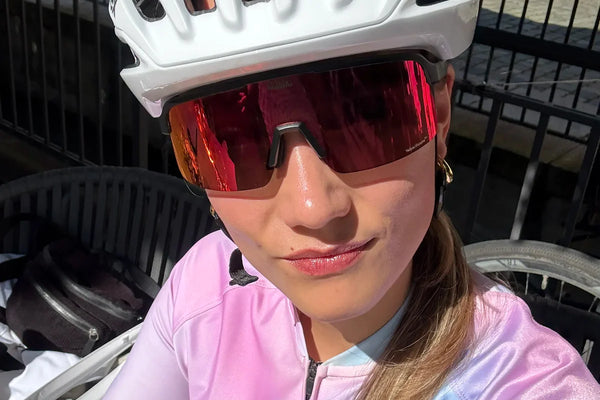
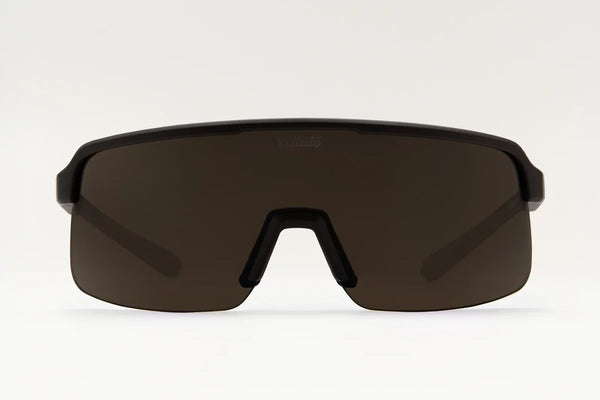
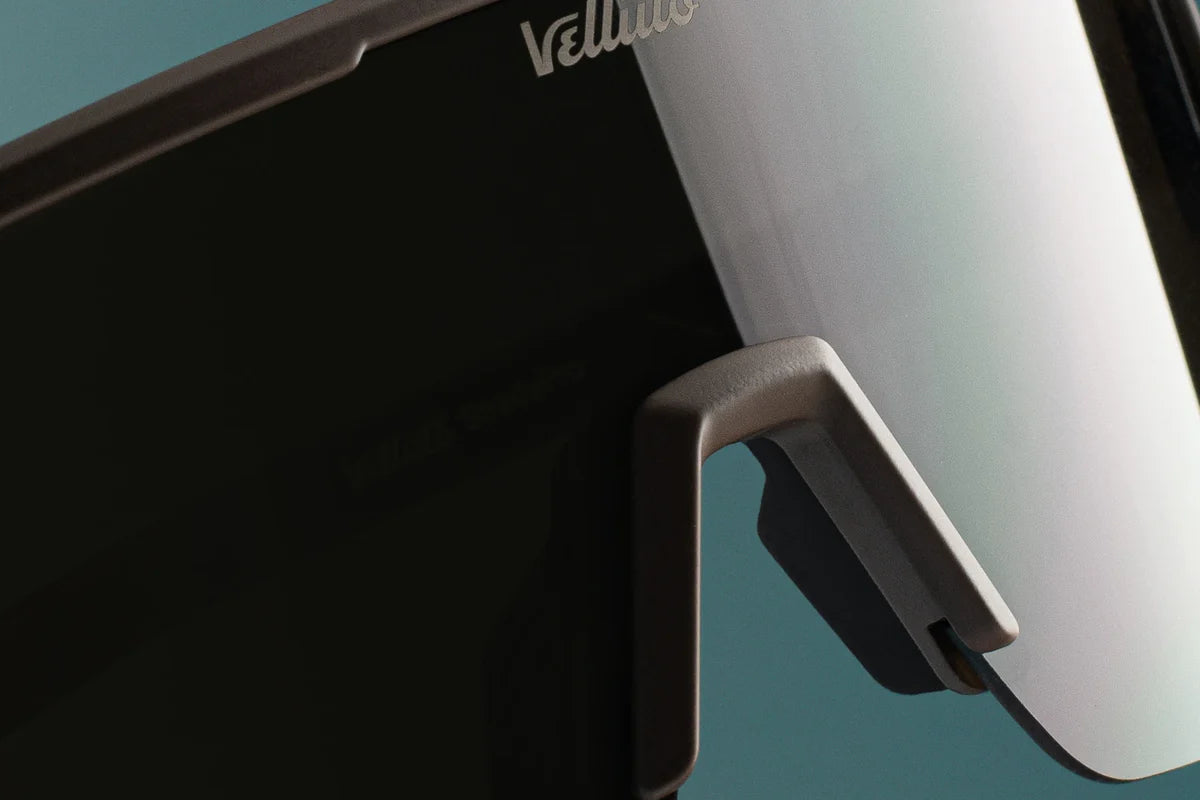
Velluto StradaPro vejer 25 gram, målt. UV400 certificeret, bloker 100 procent UVA og UVB. Integreret antidugg-system designet til at opretholde klarhed under variable fugtighedsbetingelser. Dette er baseline-specifikationerne. Hvad der helt ændrer samtalen om erstatningsomkostninger er click-in-linsesystemet.
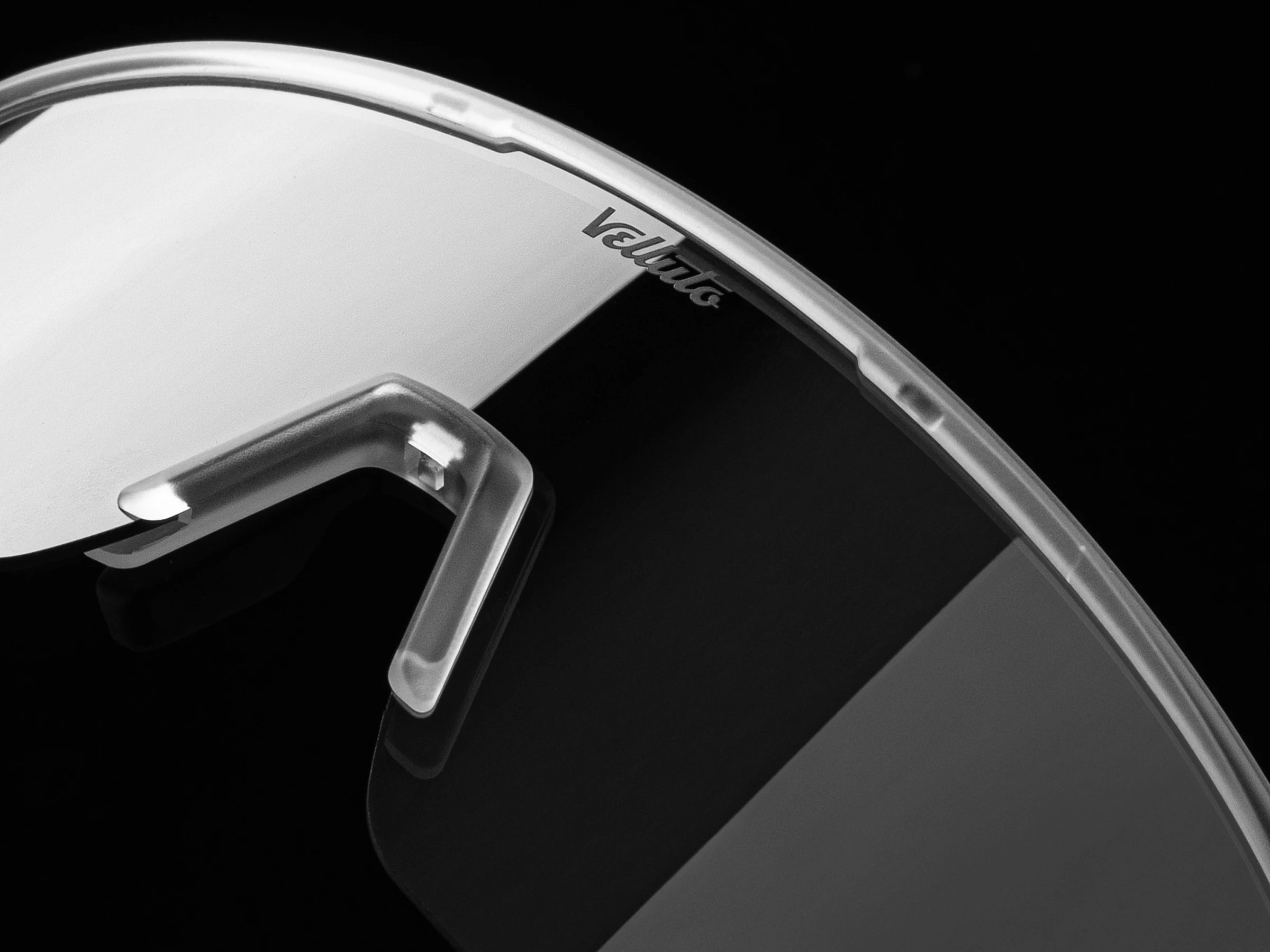
StradaPro er kompatibel med to ombyttelige linser: VellutoPuro transparent linse til lavt lys og variable forhold, og VellutoVisione højkontrast-linse til klart dagslys cykling. Begge bytter på mindre end otte sekunder, værktøjsfrit, med sikker click-bekræftelse. Der er intet værksted, ingen ventetid, ingen proprietær lager-angst.
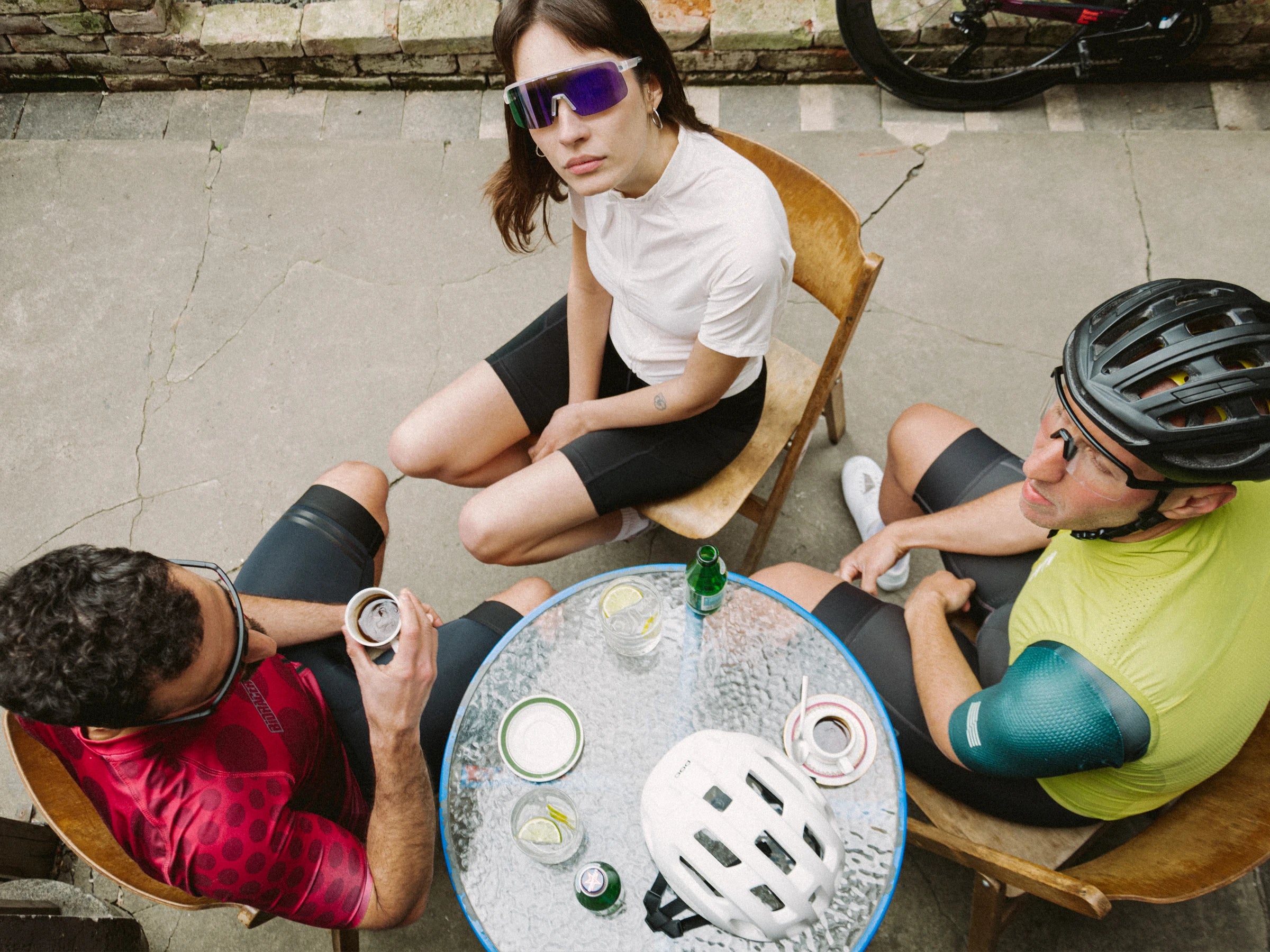
Når en linse skal udskiftes, udskifter du den linse, ikke rammen. Når forholdene ændrer sig midt på turen, bærer du den anden linse i det hårde etui og skifter på cafe-stoppestedet. Dette er arkitekturen, der gør StradaPro virkelig praktisk over en hel sæson, ikke bare attraktiv på en produktside.
30-dages risikofri prøveperiode betyder, du tester dette på faktiske ture. Ikke på en turbo-trainer, ikke i en butiksgang. På nedoverbakkerne og stigningerne og grusbanerne, hvor briller faktisk tjener deres plads i rygsækken. Hvis det ikke virker for dit ansigt, dine ture, dine forhold, returnerer du det. Dette er købekonfidensen, der kommer fra at teste på faktiske ture, før du forpligter dig til noget cykelbrille-system.
 Velluto StradaPro Glasses | Nero
 Velluto Cleaning Spray
Ofte stillede spørgsmål
Hvor ofte skal cykelbrille-linser udskiftes?
Der er intet fast interval. Udskift linser, når du bemærker ridser i dit centrale synsfelt, når dugging forekommer på ture, hvor det før ikke gjorde det, eller når UV-belægning viser synlig revnedannelse eller gulning. For cyklister, der træner fire eller flere dage om ugen, inspiceres linser hver sjette måned.
Kan jeg bruge enhver rengøringsspray på cykellinser?
Nej. Alkohol-baserede sprays fjerner antidugg- og anti-ridse-belægninger. Brug en formålsbestemt optisk spray, ideelt en formuleret til sportlinser. Velluto Cleaning Spray er 50ml, æblearomatiseret, genopfyldelig og fremstillet i Tyskland specifikt til dette formål. Parr den med en mikrofiberstof, aldrig en trøje-kant.
Er en 30-dages prøveperiode faktisk nok tid til at evaluere cykelbriller?
Ja, hvis du cykler regelmæssigt. Tredive dage dækker morgenture i lavt lys, eftermiddagssol, vådt vejr og lange udholdenhedsindsatser. Velluto StradaPros 30-dages risikofri prøveperiode er designet omkring virkeligt køreomfang, ikke en enkelt testtur. Du møder alle de forhold, linsesystemet skal håndtere.
Klar til at stoppe med at betale for linse-udskiftninger, der koster mere end selve brillerne? Udforsk det fulde StradaPro-sortiment, inklusive alle fire farveudførelser, begge ombyttelige linse-muligheder og det fuldstændige tilbehør-sortiment på velluto-shop.com. Gratis forsendelse på ordrer over 600 DKK. Tredive dage til at afgøre på dine faktiske ture.