Smart Cycling Glasses Worth It 2026? Oakley vs Smith vs Velluto
Contents6 min read
Are Smart Cycling Glasses Worth It in 2026? Oakley Meta Vanguard vs Smith Syncline vs Velluto StradaPro
Last updated: 24 June 2026
The Tour de Suisse peloton disappeared into a cloud bank on the Gotthard this week. Half the riders were wearing glasses worth more than a budget groupset. The Critérium du Dauphiné, a few weeks earlier, produced the same image: high-tech eyewear on every face, some of it bluetooth-equipped, some of it connected to head units, all of it expensive. Then there are the summer gravel riders, grinding up switchbacks in 32-degree heat, asking the same question anyone sensible asks before spending serious money: are smart cycling glasses worth it in 2026, or is this another case of tech for tech's sake?
This post breaks it down honestly. We compare the Oakley Meta Vanguard and Smith Syncline against the Velluto StradaPro, look at what "smart" actually delivers on the road, and give you the framework to decide where your money should go.
The Problem: Technology That Solves the Wrong Pain
Cyclists have always wanted the same things from eyewear: clear vision at speed, a frame that stays on a sweating face, lenses that adapt when the road dips into shadow, and weight so low you forget the glasses are there. The question is whether embedded microphones, bone-conduction audio, and heads-up displays actually address any of those wants, or whether they address the wants of a product marketing deck.
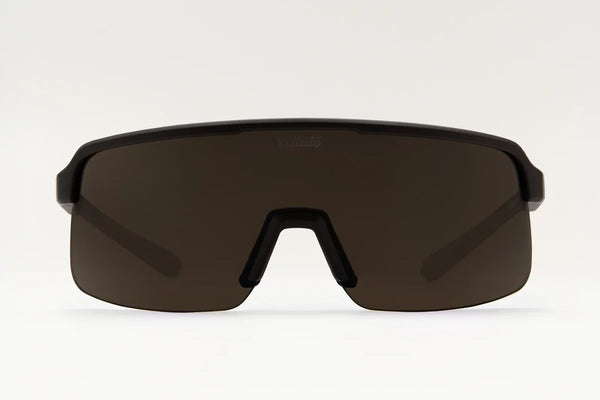
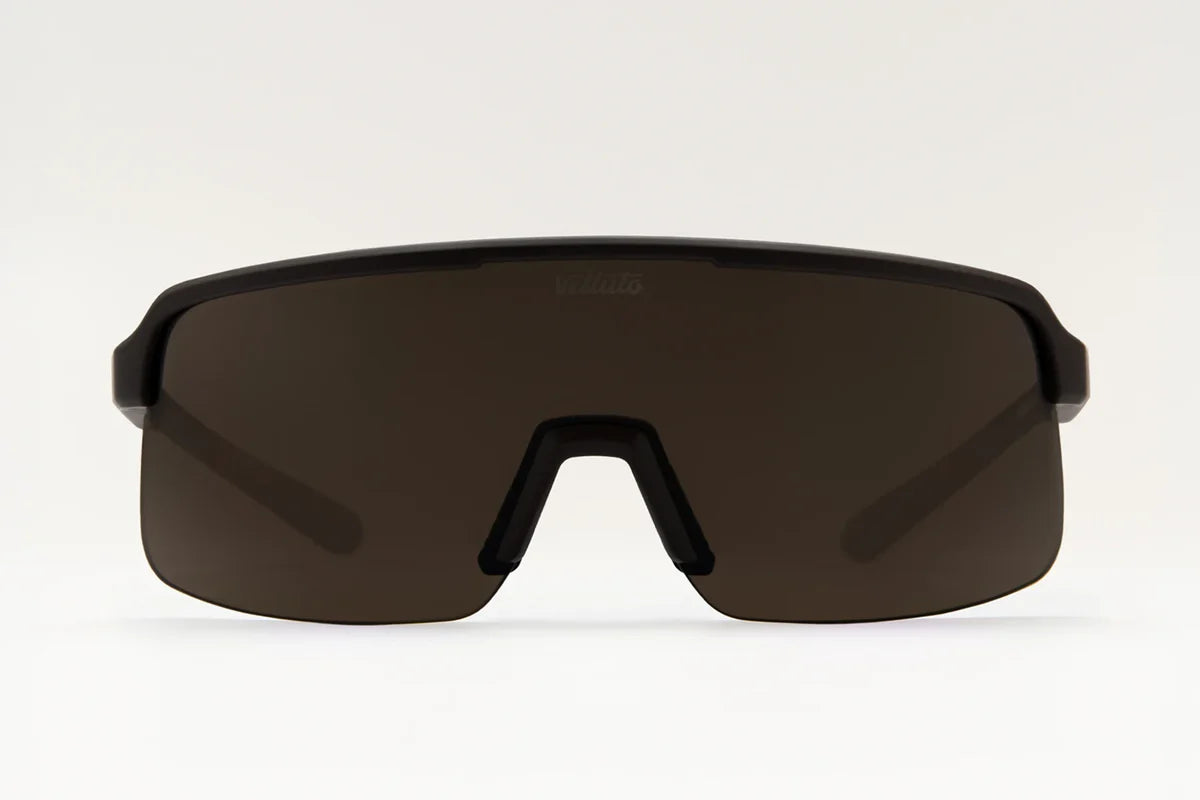
The Oakley Meta Vanguard, developed in partnership with Meta, is priced at approximately €399. It offers open-ear speakers, a front-facing camera, and Prizm lens technology. The Smith Syncline integrates Harman audio and retails around €329. Both are genuinely impressive pieces of engineering. The Meta Vanguard weighs around 48 grams, the Syncline approximately 42 grams. The StradaPro at 25 grams delivers a notably lighter feel on longer rides, which many cyclists prefer for five-hour Alpine stages or summer gravel rides where managing fatigue matters.
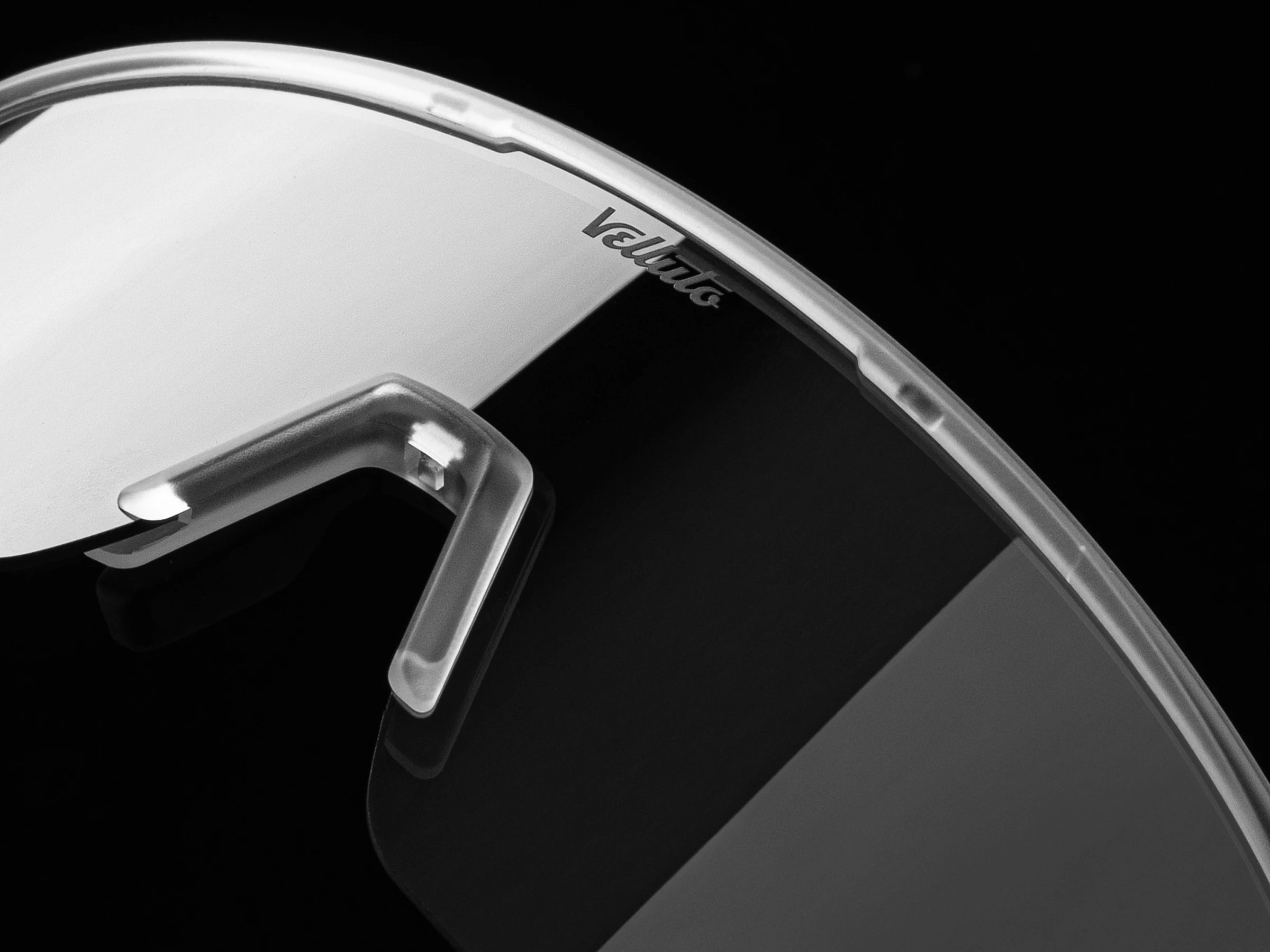
There is also the lens-swap question. Many road cyclists value the ability to change tints quickly as light conditions shift, moving from shaded valleys into bright afternoon sun, or from overcast climbs into clear descents. The Velluto StradaPro offers a tool-free, five-second lens swap with the click-in VellutoPuro and VellutoVisione system. Smart frames like the Vanguard and Syncline use fixed lenses, which means committing to a single tint per ride regardless of how conditions change.
How We Evaluate Cycling Glasses
Every pair reviewed here is assessed against six criteria that reflect actual purchase decisions for road and gravel cyclists:
- Weight: Measured in grams. Under 30g is the performance benchmark for long rides.
- Lens system: Interchangeable vs fixed, tint options, clarity at speed.
- UV rating: UV400 (blocks 100% UVA and UVB) is the minimum acceptable standard.
- Anti-fog performance: Critical for climbs, cool descents, and variable summer weather.
- Fit adjustability: Nose pad system, temple grip, face-shape compatibility.
- Price and trial policy: What risk does the buyer absorb if the fit is wrong?
| Model | Weight | Lens System | Anti-Fog | UV400 | Price (approx.) | Trial Policy |
|---|---|---|---|---|---|---|
| Velluto StradaPro | 25g | Click-in interchangeable (Puro + Visione) | Yes | Yes | Under €100 | 30-day risk-free |
| Oakley Meta Vanguard | ~48g | Fixed (Prizm tints) | Not specified | Yes | ~€399 | Return policy varies by retailer |
| Smith Syncline | ~42g | Fixed (ChromaPop) | Partial | Yes | ~€329 | Return policy varies by retailer |
| Oakley Sutro Lite | ~36g | Fixed (Prizm tints) | No | Yes | ~€210 | Return policy varies by retailer |
| POC Devour | ~30g | Limited interchangeable | Partial | Yes | ~€180 | Return policy varies by retailer |
| Tifosi Rail | ~28g | Interchangeable | Partial | Yes | ~€75 | Return policy varies by retailer |
Oakley Meta Vanguard: Who It Is For
The Meta Vanguard is designed for cyclists who value integrated audio and navigation. The open-ear speaker system suits commuter-style urban rides. Prizm lens technology delivers excellent optical clarity. The frame weighs around 48 grams, making it heavier than lightweight performance options. The decision to choose smart glasses comes down to whether the integrated audio and navigation features align with your riding style, commuter and training riders often find them useful, while gravel and road riders prioritising weight and lens versatility may prefer simpler frames.
Smith Syncline: Pros and Cons
The Syncline is engineered for road riding. ChromaPop lens contrast excels in mixed light conditions, handling tree-cover descents and variable cloud well. The frame shape offers solid peripheral coverage. As with other smart frames, it uses fixed lenses, meaning you commit to a single tint per ride. The weight at approximately 42 grams positions it in the mid-range of road options. For riders who value quick adaptation to shifting light conditions across a ride, interchangeable lens systems like the Velluto StradaPro offer an alternative approach.
Why the Velluto StradaPro Solves the Actual Problem
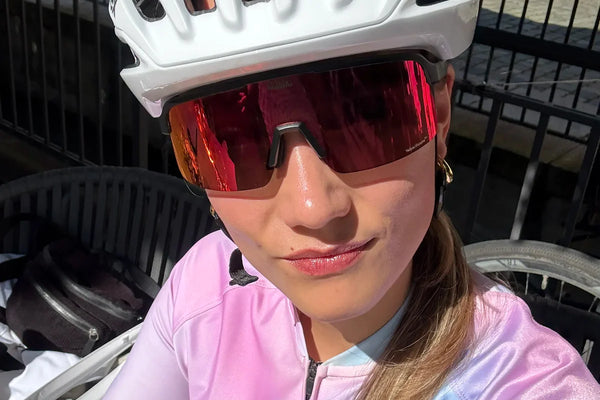
The practical priorities for most road cyclists are fog-free vision on climbs, glare control on descents, comfortable nose pads that do not mark the face after hours of wear, and light weight that does not fatigue over long rides. The StradaPro at 25 grams delivers on these dimensions. That is 23 grams lighter than the Meta Vanguard at approximately 48 grams, a meaningful difference over five-hour gravel or road rides.
The built-in anti-fog system handles the Tour de Suisse scenario: cold air, high effort, rapid temperature change. The adjustable nose pads distribute pressure evenly, which means no red marks and no mid-ride readjusting. The click-in VellutoPuro and VellutoVisione lenses cover the two conditions that actually change on a ride: low light requiring a clear lens, and bright contrast conditions requiring visual definition. The swap takes five seconds without tools. That is a more useful in-ride feature than Bluetooth connectivity.
And at under €100, backed by a 30-day risk-free trial, the purchase decision carries essentially no risk. You test it on real rides. If it does not work for you, you return it. This combination of price point, trial policy, and lens versatility is distinctive in the cycling eyewear market.
 Velluto Starter Vision Kit | Arancia
Frequently Asked Questions
Are smart cycling glasses worth it in 2026 for road cyclists?
For commuter-style riding and urban training, smart glasses with audio and navigation have genuine utility. For road and gravel cyclists prioritising weight, lens versatility, and anti-fog performance on long rides, the weight penalty (40 to 48 grams vs 25 grams for a performance frame) and fixed lens systems are significant trade-offs that outweigh the tech benefits for most riders.
Do interchangeable lens cycling glasses fog up more than fixed-lens glasses?
Not if the frame includes a dedicated anti-fog system. The Velluto StradaPro has a built-in anti-fog design that performs on climbs and in variable weather regardless of which lens is fitted. The click-in seal is secure enough that lens gaps do not create additional fogging risk compared to a fixed lens frame.
What is the lightest option in a cycling glasses comparison for 2026?
The Velluto StradaPro at 25 grams is among the lightest road cycling frames available in 2026. Tifosi Rail comes in at around 28 grams, POC Devour at approximately 30 grams, and Oakley Sutro Lite at around 36 grams. Smart frames (Oakley Meta Vanguard, Smith Syncline) are significantly heavier due to integrated hardware.
Ready to test the difference on your next ride? The full Velluto range, including the StradaPro Starter Vision Kit with interchangeable lenses, is available with free shipping over €99 and a 30-day risk-free trial at velluto-shop.com.