Smart Cycling Glasses 2026: Are AR Glasses Worth It?
Contents5 min read
Smart Cycling Glasses 2026: Are AR Glasses Actually Worth It for Road Cyclists?
The Tour de Suisse peloton carved through alpine switchbacks this week. The Critérium du Dauphiné punished riders with rain, glare, and summit fog. And across the Netherlands, thousands of cyclists are heading into their longest gravel rides of the year. Amid all of this, one question keeps surfacing in cycling forums and gear reviews: are smart cycling glasses worth it in 2026, or is the hype outpacing the hardware? Brands like Solos are pushing augmented reality eyewear hard. The promise sounds compelling: power data, navigation cues, and heart rate overlays projected directly into your field of vision. But before you hand over €400 for a heads-up display on your face, it is worth asking what you actually need from a pair of cycling glasses, and what you will almost certainly regret not having.
The Real Problem with Cycling Glasses in 2026
Most cyclists do not fail on the road because they lacked live wattage data in front of their eyes. They fail because their glasses fogged over on a cold descent, slid down their nose at kilometre 90, or left them squinting into afternoon sun without the right lens tint. These are not glamorous problems, but they are the ones that cost time, comfort, and sometimes safety. The cycling eyewear market has spent considerable energy solving problems that do not rank in most riders' top three frustrations, while the fundamentals, weight, fog resistance, lens versatility, and secure fit, remain underserved in the premium segment.
AR glasses like Solos address a real desire: cyclists want their data accessible without looking down at a computer. That is legitimate. But the current generation of smart cycling glasses carries significant trade-offs. They are heavy, typically weighing 35 to 45 grams, compared to a well-engineered performance frame at 25 grams. Battery life is limited. The displays wash out in bright sunlight. Lens options are fixed, meaning you are locked into one tint regardless of whether you are riding into a low sun or climbing through cloud. And at €400 or more, a software update can render last year's model obsolete. For the rider who trains daily and races weekends, these are not minor inconveniences.
The riders who benefit most from AR glasses tend to be those doing structured solo training sessions on familiar routes, where the data overlay replaces a bike computer glance. For group rides, sportives, gravel adventures, or variable-weather road racing, the limitations compound quickly. A lens that cannot be swapped when light conditions shift is not a smart lens. It is a fixed constraint dressed in technology marketing.
What to Actually Look for in Smart Cycling Glasses 2026
Before buying any cycling glasses this summer, run through this checklist honestly:
- Weight under 30 grams. Anything heavier creates pressure on the nose bridge and temples over a four-hour ride. The difference between 25g and 40g is not subtle after 100 kilometres.
- UV400 certification. Not UV380, not "UV protection". UV400 means 100% UVA and UVB blockage. On high-altitude summer rides or long open gravel days, this is non-negotiable.
- A genuine anti-fog system. Not a coating that wears off after six months. A structural ventilation design that keeps lenses clear on climbs, in rain, and in the transition between cold air and body heat.
- Interchangeable lenses without tools. Light changes. Mornings are different from afternoons. A clear lens for early starts and a contrast-enhancing lens for bright midday conditions is a far more practical system than carrying two separate pairs.
- Adjustable nose fit. Faces are not all the same. Glasses that slip mid-sprint or sit unevenly are a distraction and a performance leak. Adjustable nose pads solve this permanently.
- A try-before-you-commit policy. No matter how good a frame looks on a product page, you will know within two rides whether it works for your face, your helmet, and your riding style. A 30-day trial period is not a marketing gimmick. It is the only honest way to sell performance eyewear.
AR cycling glasses currently pass on one or two of these criteria. The best traditional performance frames can pass all six. That gap matters.
Why Velluto StradaPro Is the Smarter Choice in 2026
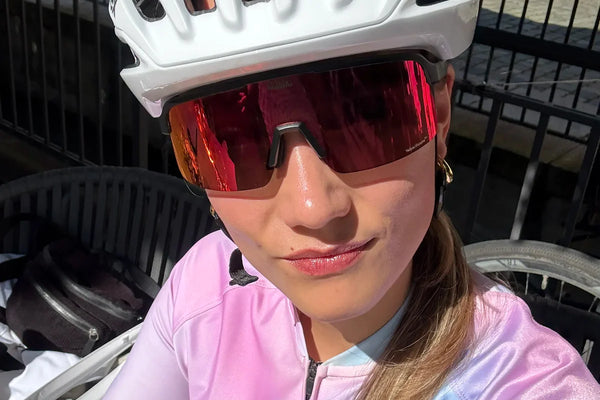
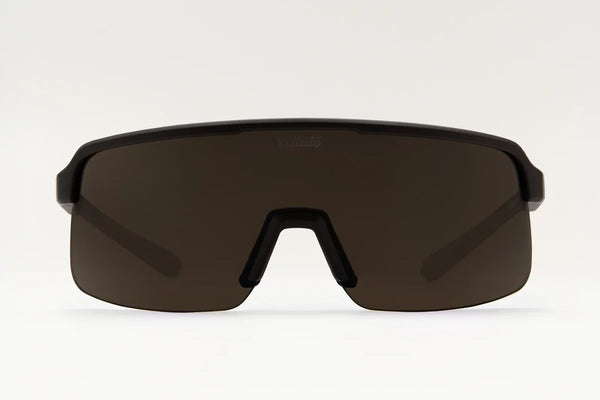
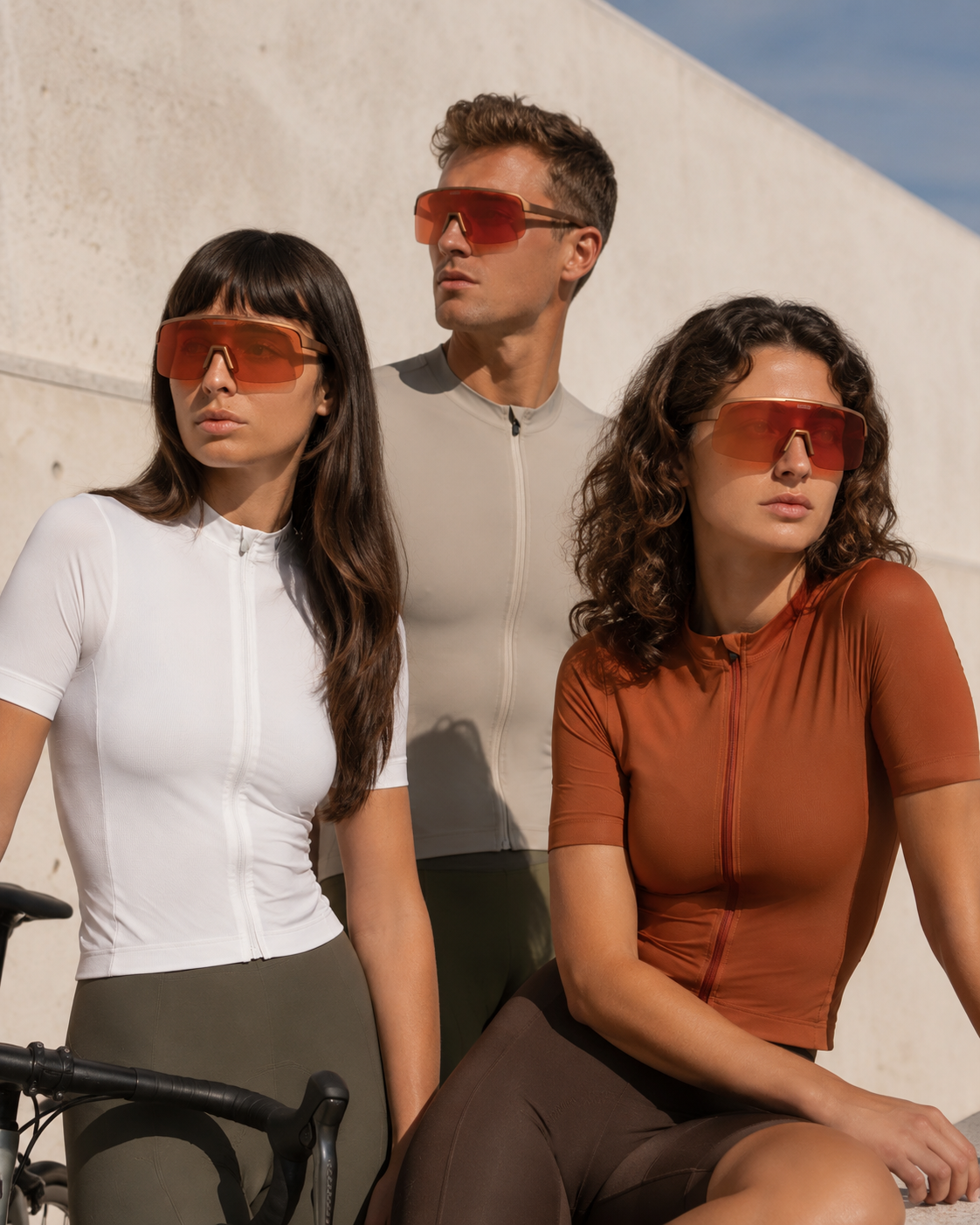
The StradaPro weighs 25 grams, delivering a lightweight platform engineered for performance road and gravel riding. The frame is UV400 certified, blocking 100% of UVA and UVB radiation. The built-in anti-fog system is structural, not coating-dependent, which means it performs on the 12th ride in the same way it did on the first. Adjustable nose pads let you dial in the fit precisely, eliminating slip without adding bulk.
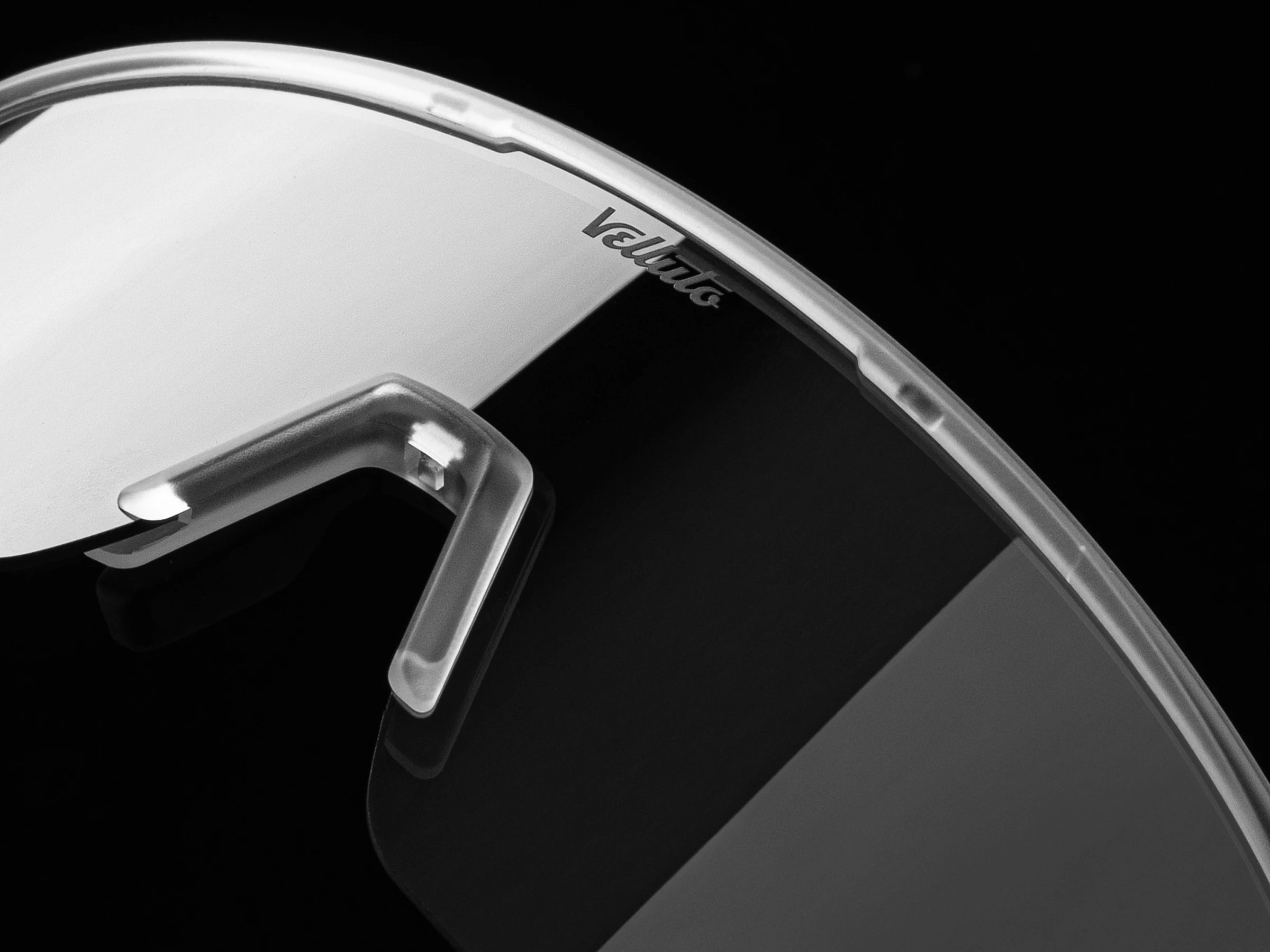
The StradaPro is compatible with two interchangeable lenses via a tool-free click-in system. The VellutoPuro transparent lens is built for wind and insect protection and suits low-light and early-morning riding. The VellutoVisione high-contrast lens uses dedicated contrast-sharpening technology to define the road surface, gravel texture, and terrain changes in varying light. Swapping takes seconds. No tools, no case required mid-ride. That is practical intelligence, not marketing intelligence.
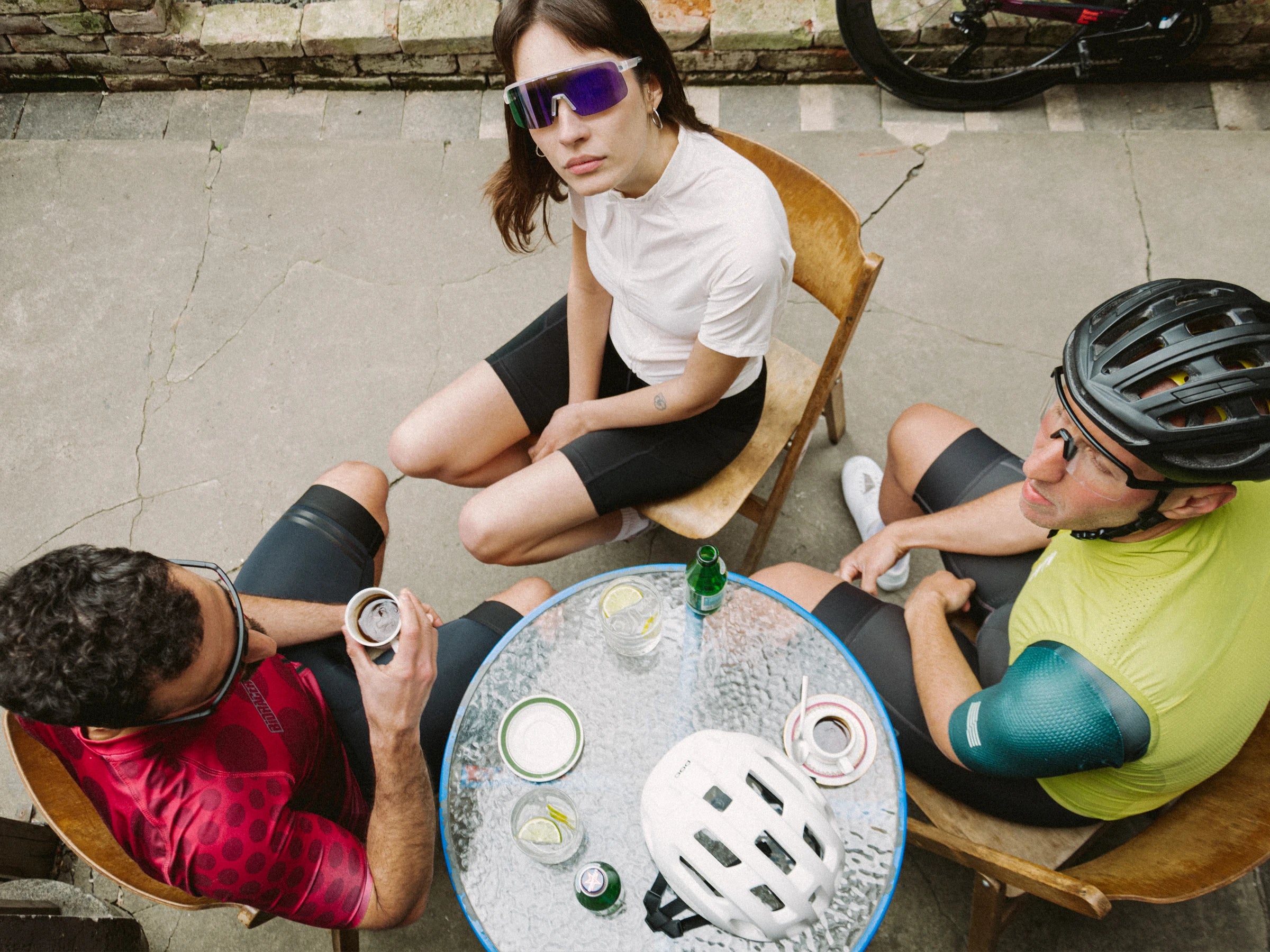
Available in four colours: Nero, Arancia, Espresso, and Viola. Every pair comes with a 30-day risk-free trial. Free shipping on orders over €99.
 Velluto StradaPro Glasses | Nero
Frequently Asked Questions
Are AR cycling glasses like Solos worth buying in 2026?
For specific use cases, such as solo structured training on fixed routes, AR glasses offer genuine value. For most road cyclists, gravel riders, and sportive participants, the weight penalty, fixed lens system, and battery dependency create more problems than the data overlay solves. A lightweight frame with interchangeable lenses covers more real-world riding scenarios at a fraction of the cost.
How much should cycling glasses weigh?
Under 30 grams is the performance benchmark. The Velluto StradaPro weighs 25 grams, lighter than Oakley Sutro Lite (26g) and POC Devour (28g). Over long rides, lighter frames reduce nose bridge pressure and eliminate the gradual slip that affects focus and comfort.
What is the benefit of interchangeable lenses on cycling glasses?
Light conditions on a single ride can shift dramatically, from low-angle morning sun to overcast climbs to bright afternoon descents. Interchangeable lenses let you match optics to conditions in seconds. The StradaPro's click-in system supports the VellutoPuro clear lens and the VellutoVisione high-contrast lens, covering the full range of road and gravel riding conditions without carrying a second pair.
Ready to ride with the right lenses for every condition? Explore the full StradaPro range at velluto-shop.com.